
 3.5s
3.5s
Double board specialist in Prosthodontics
& Comprehensive Dentistry — Dr. Ahn Do-gwan
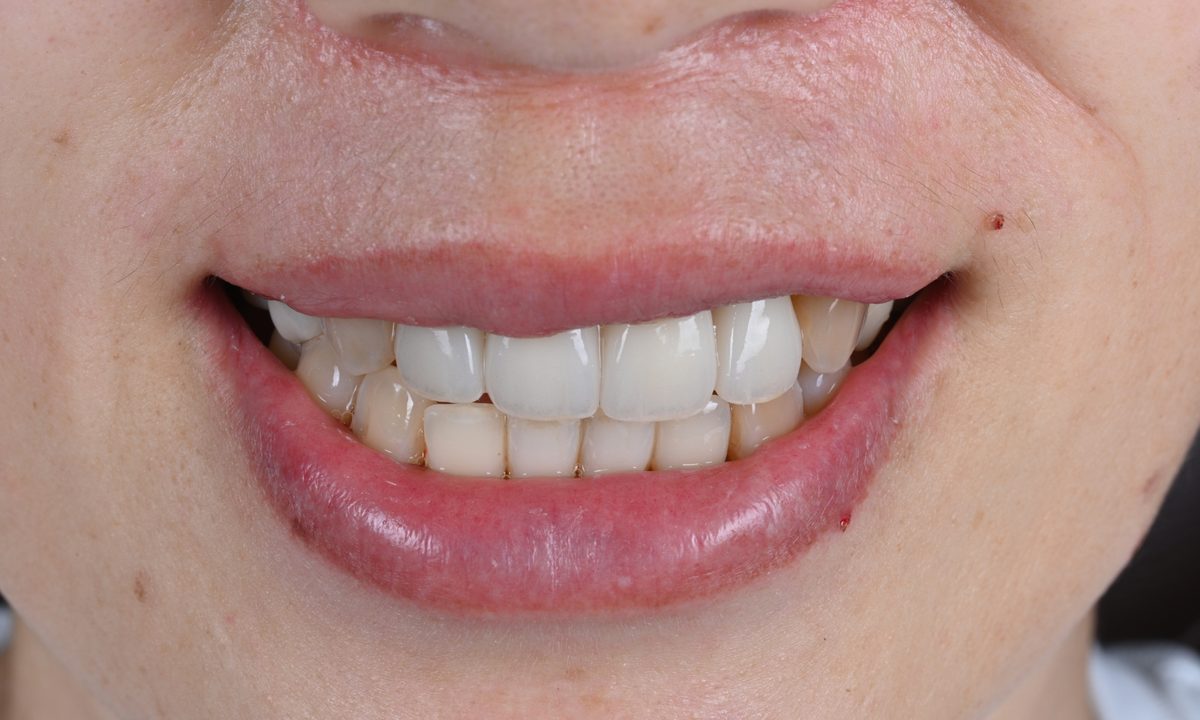
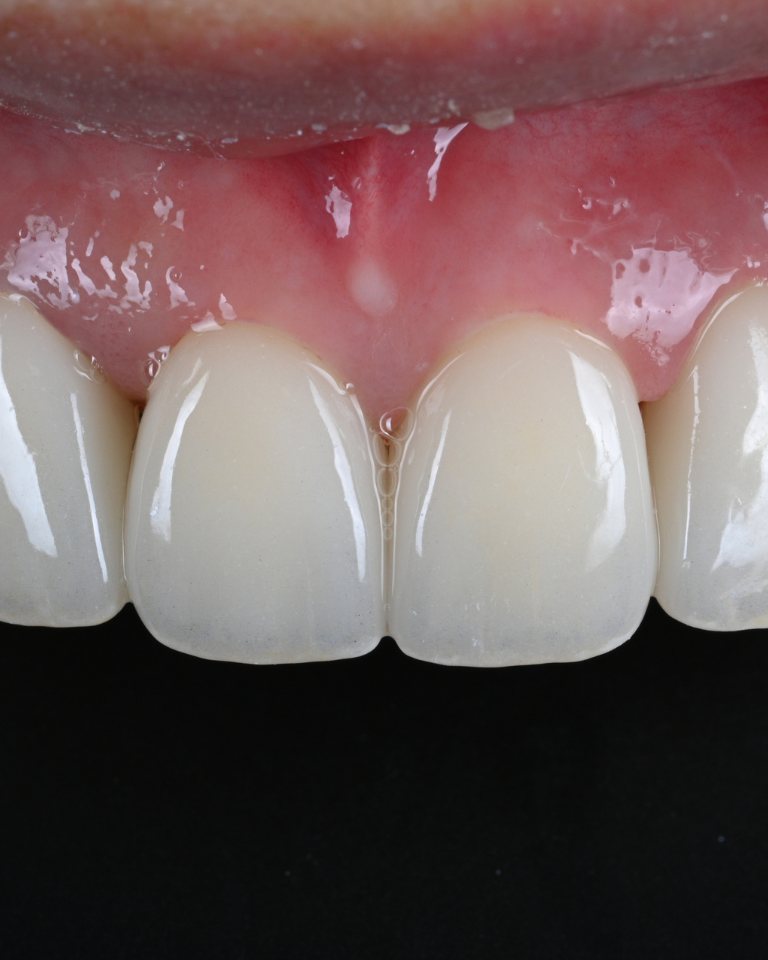
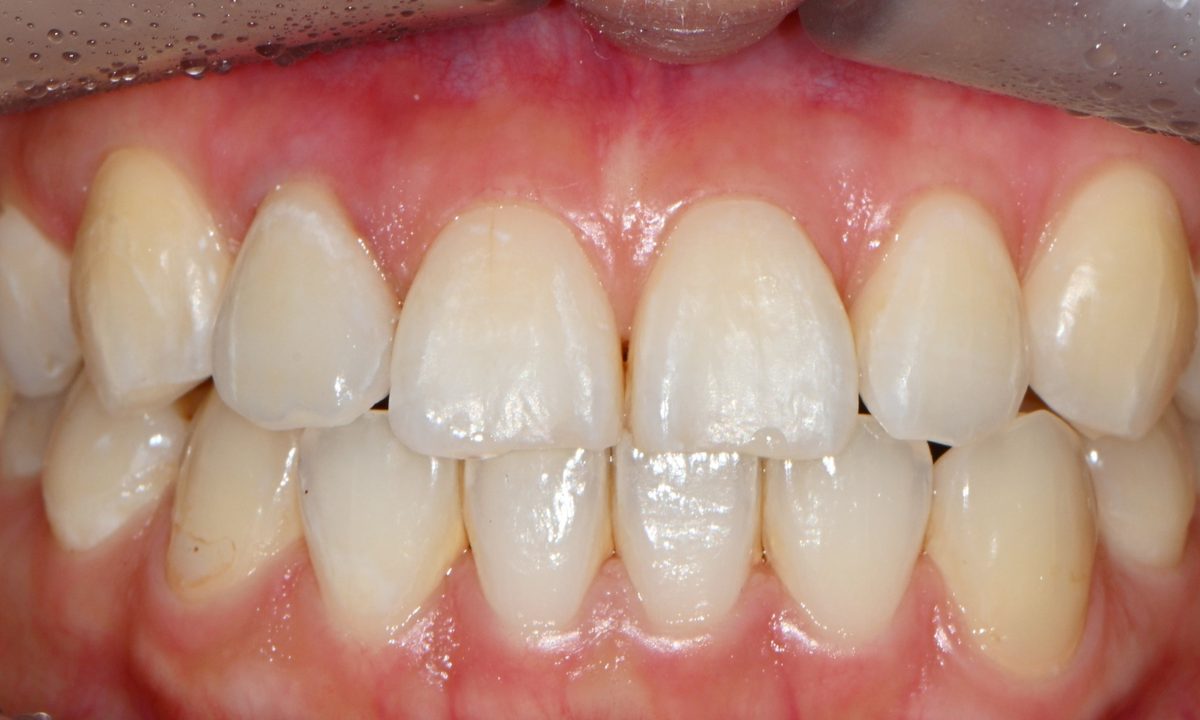
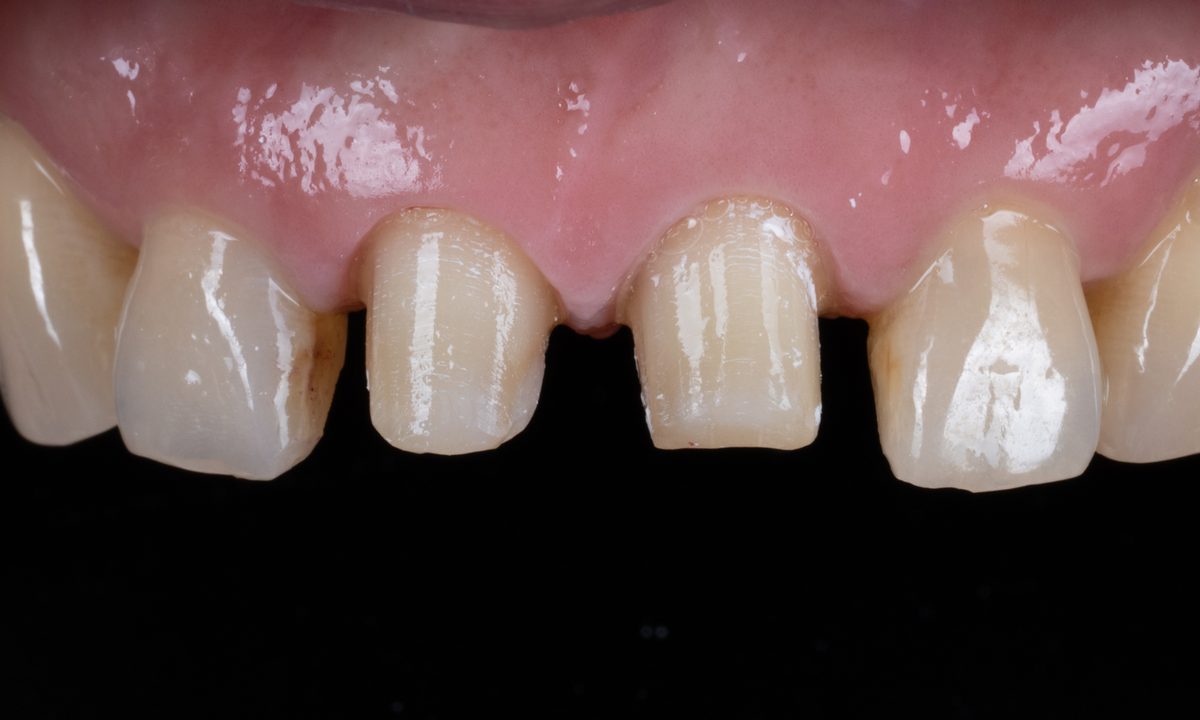
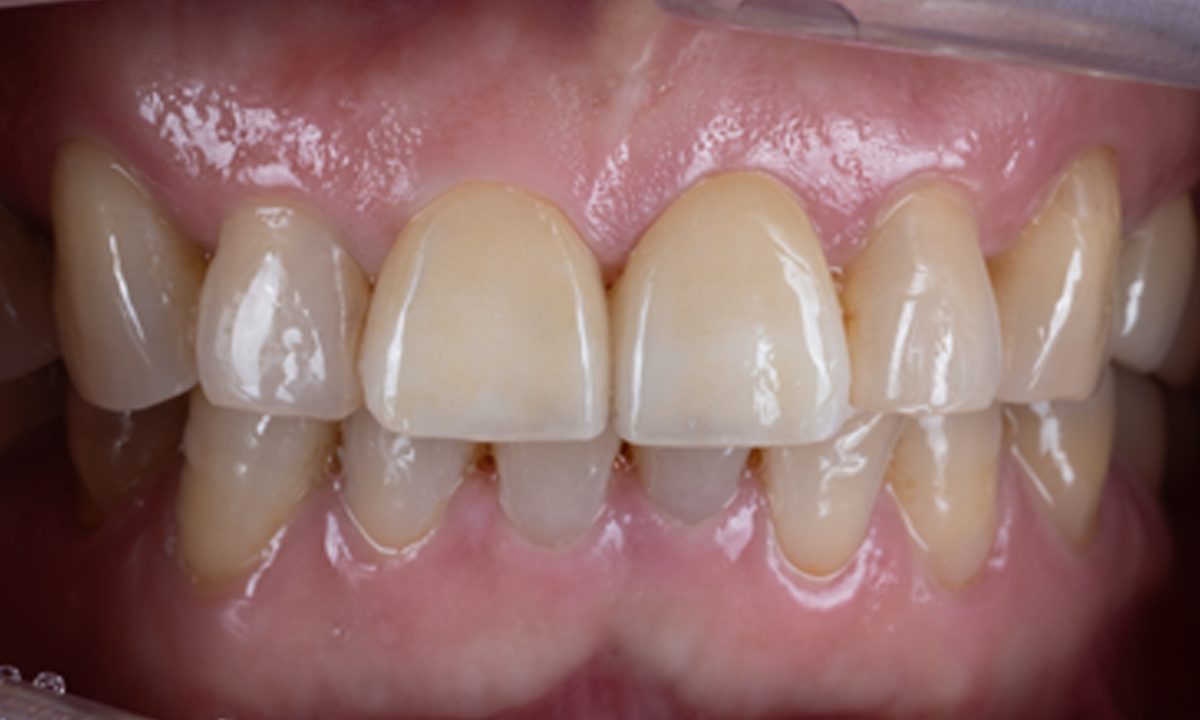
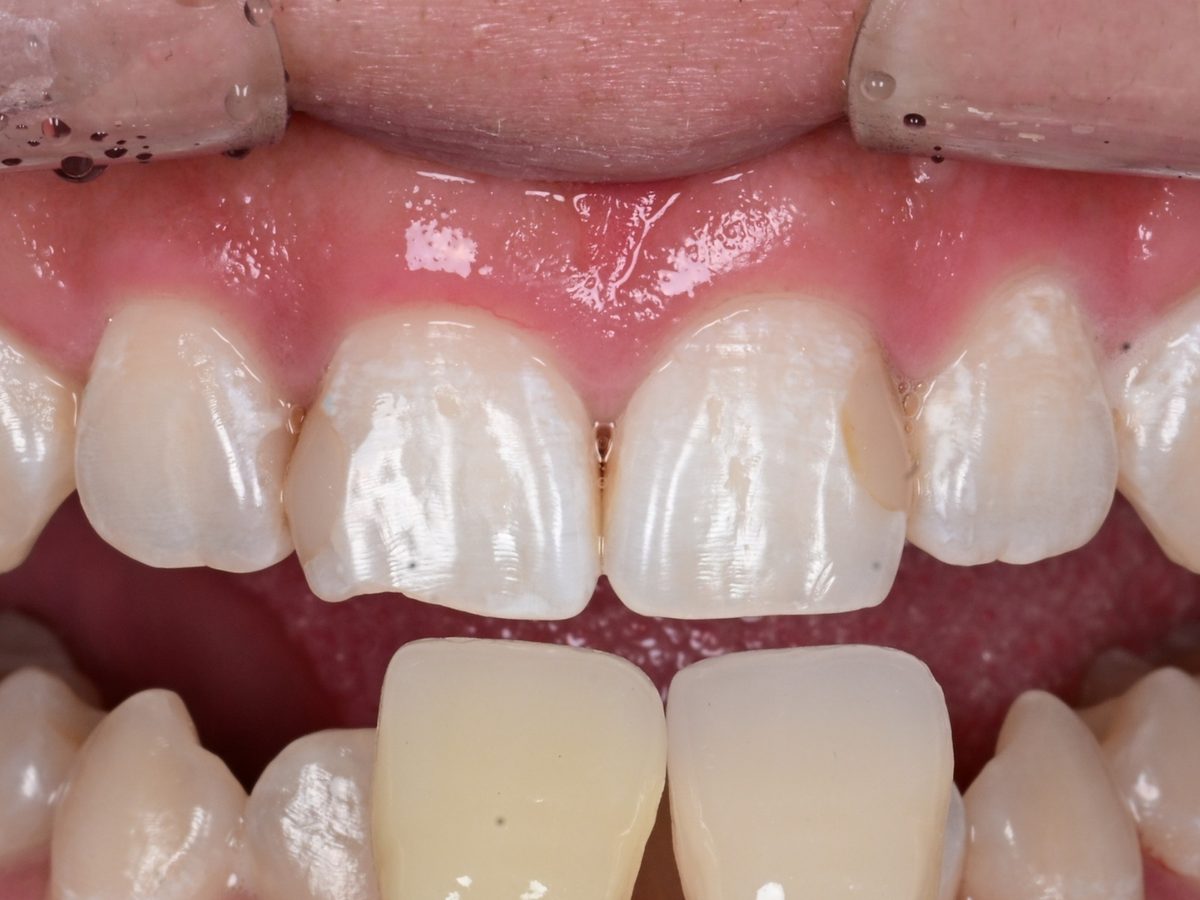
Ceramic veneers, finished in 2 days.
Designed by a prosthodontist, made in our own lab. Prepared on day one, smiling on day two.
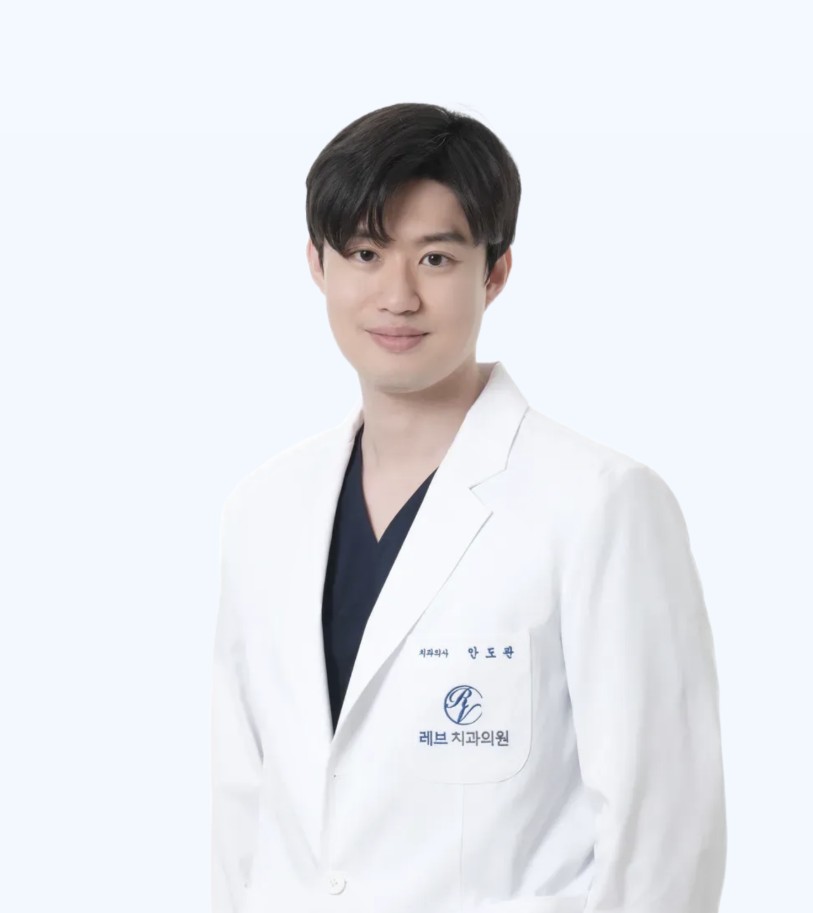
One of few dentists in Korea with two specialist boards — trained at Columbia University.
Advanced technology. Specialist hands.
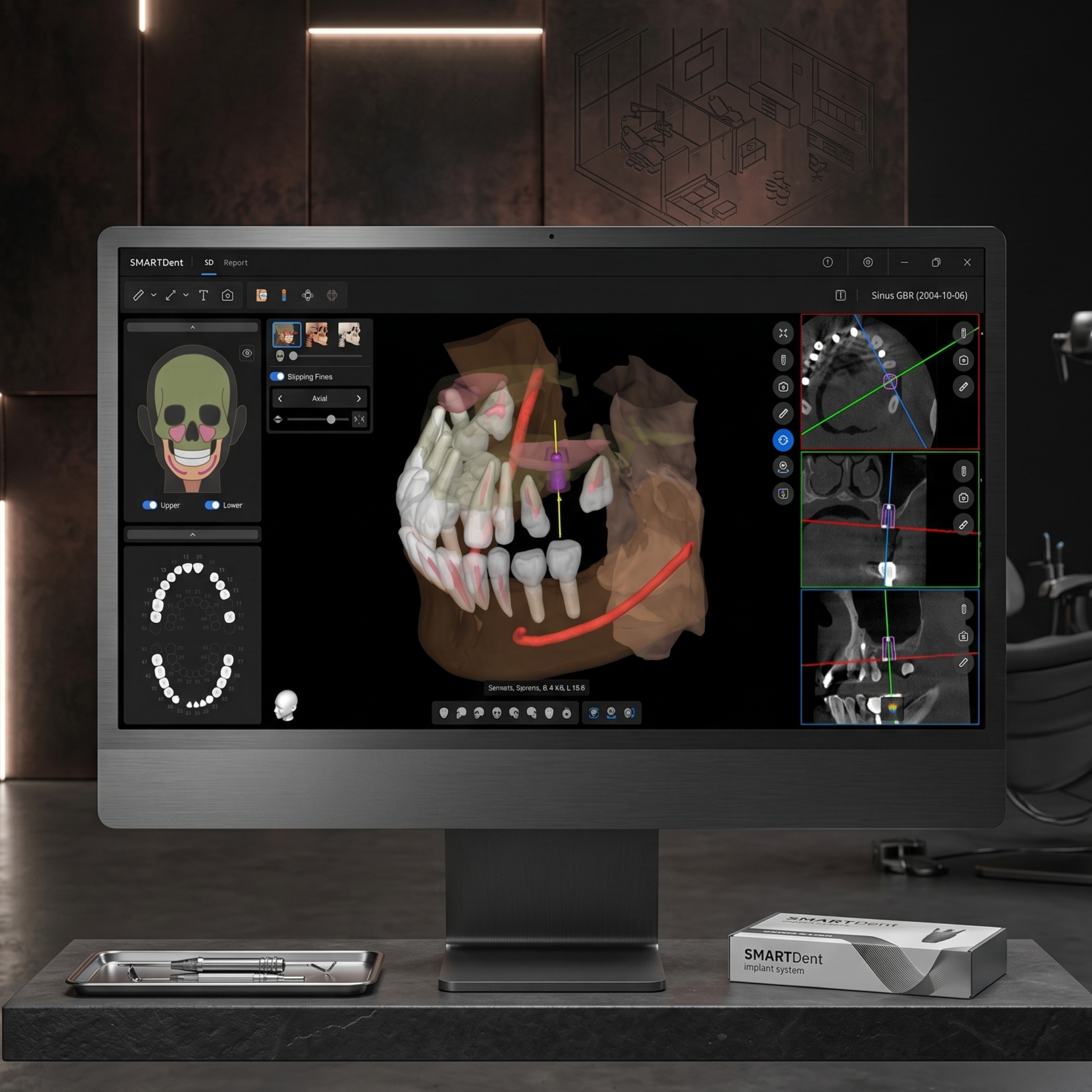
We plan your implant in 3D first, then place it exactly as planned.
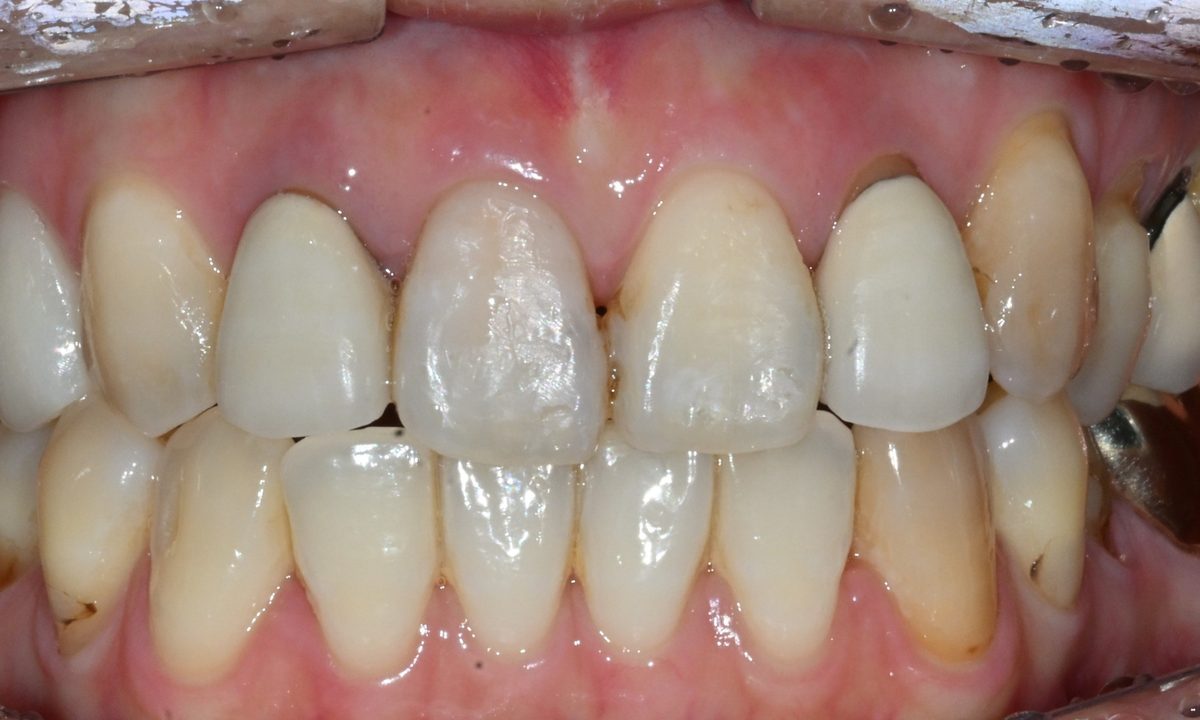
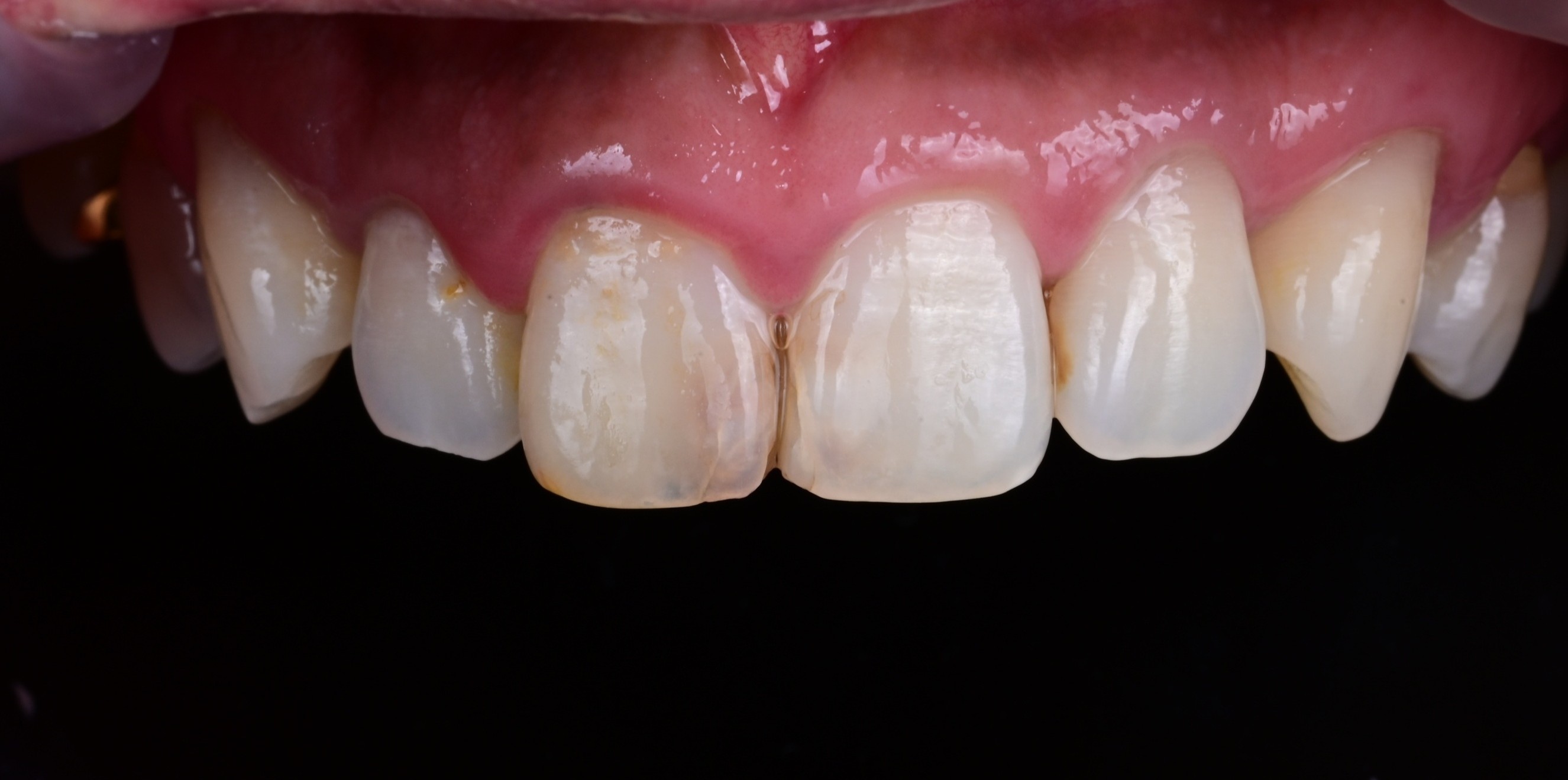 Before
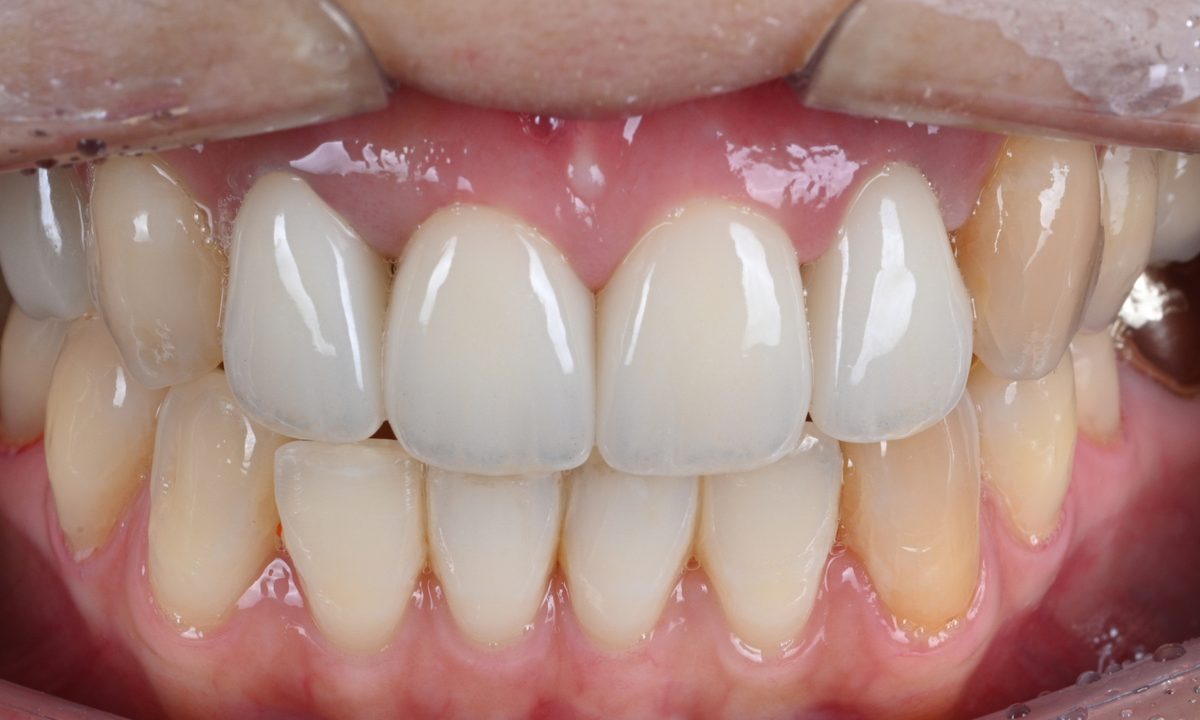
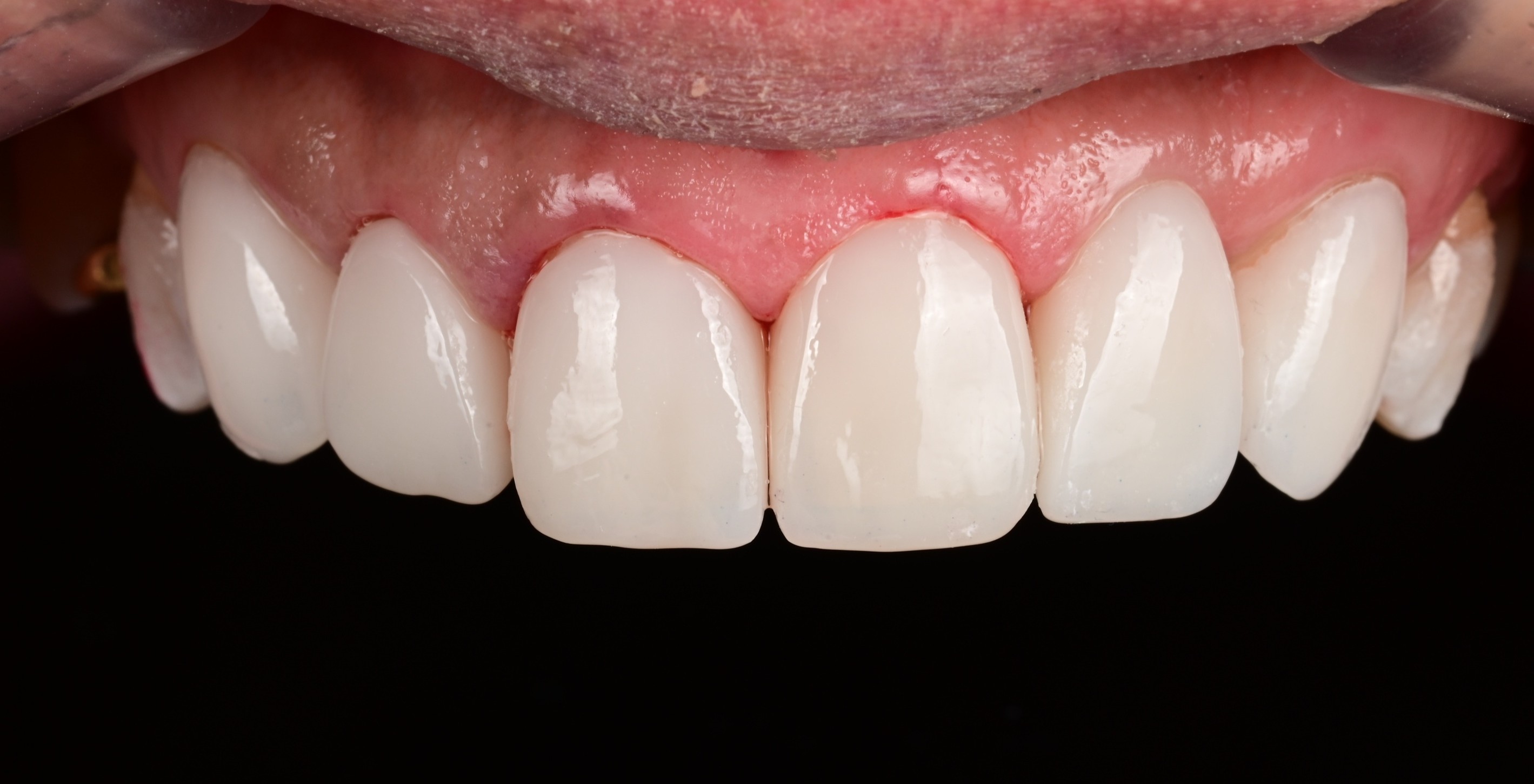 After
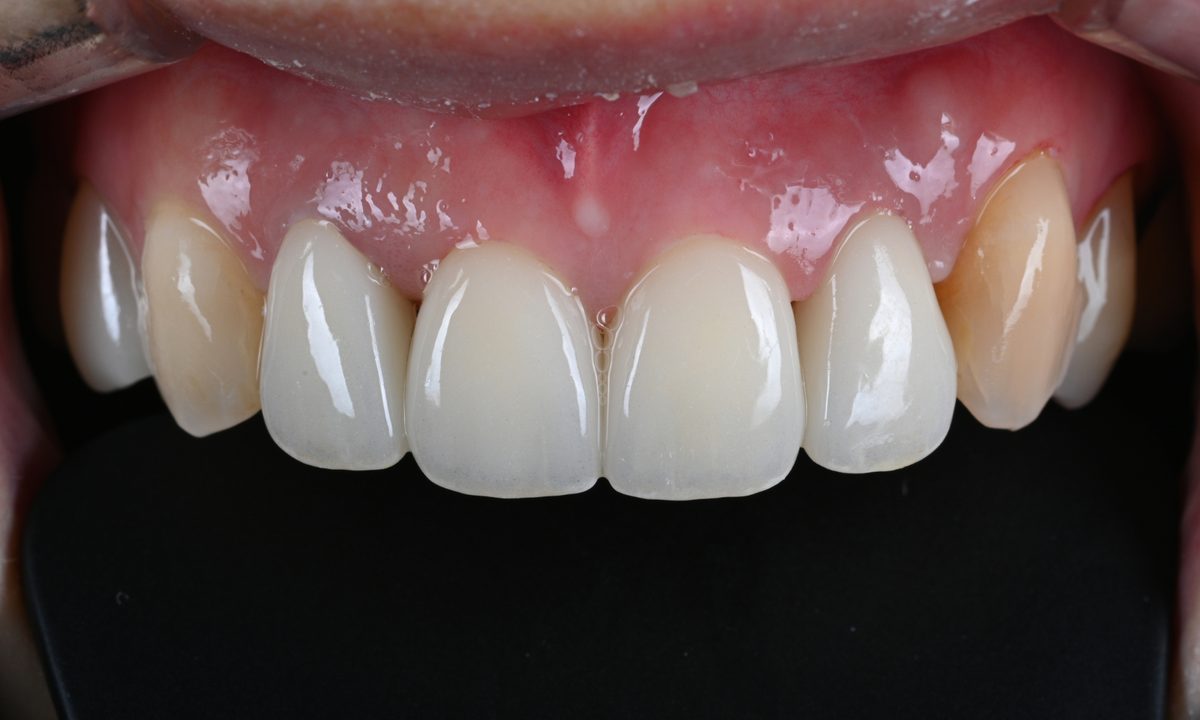
After
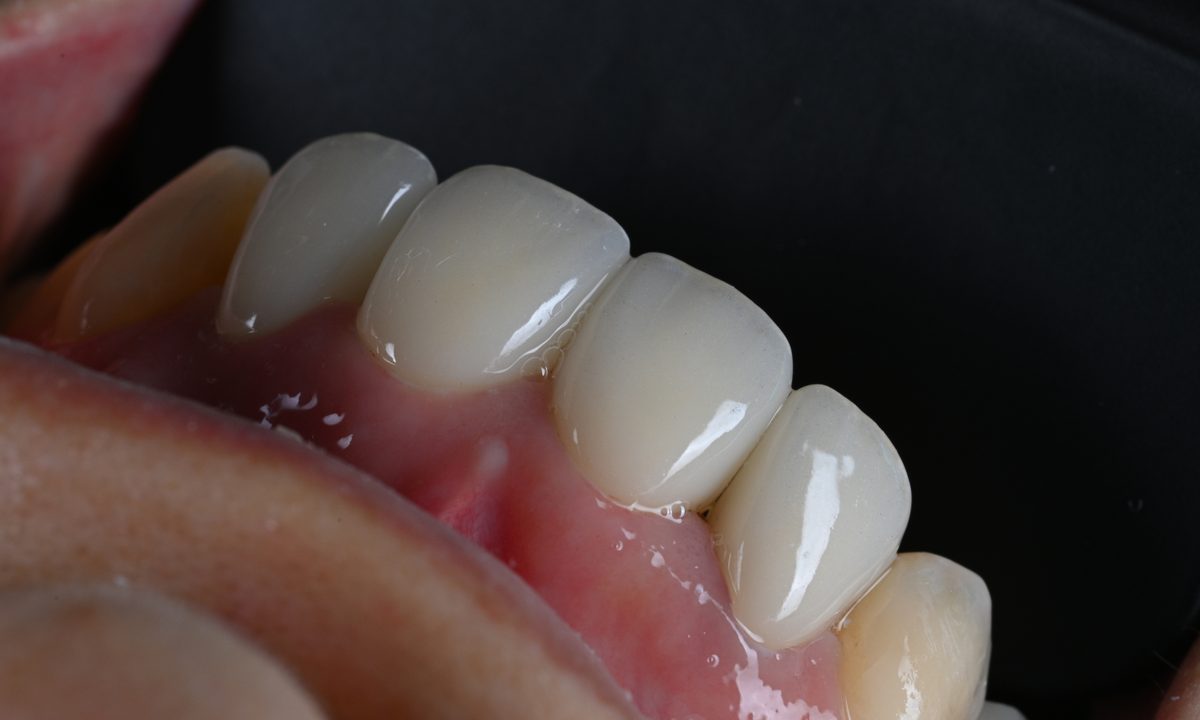
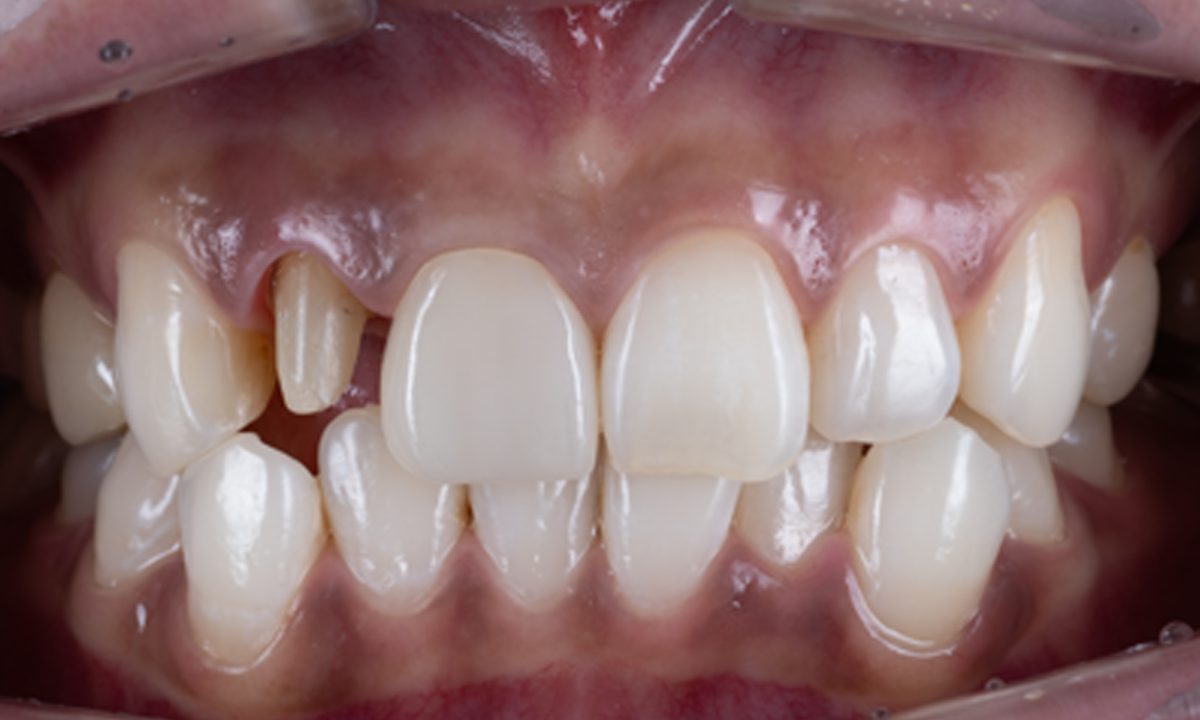
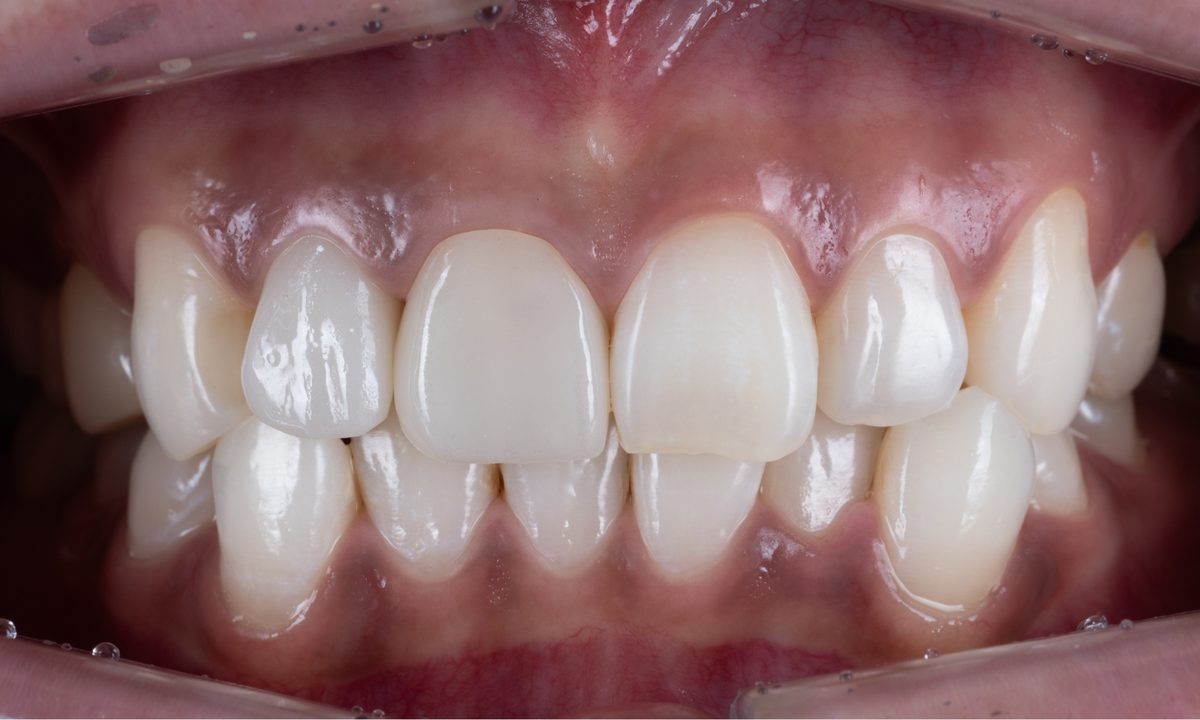
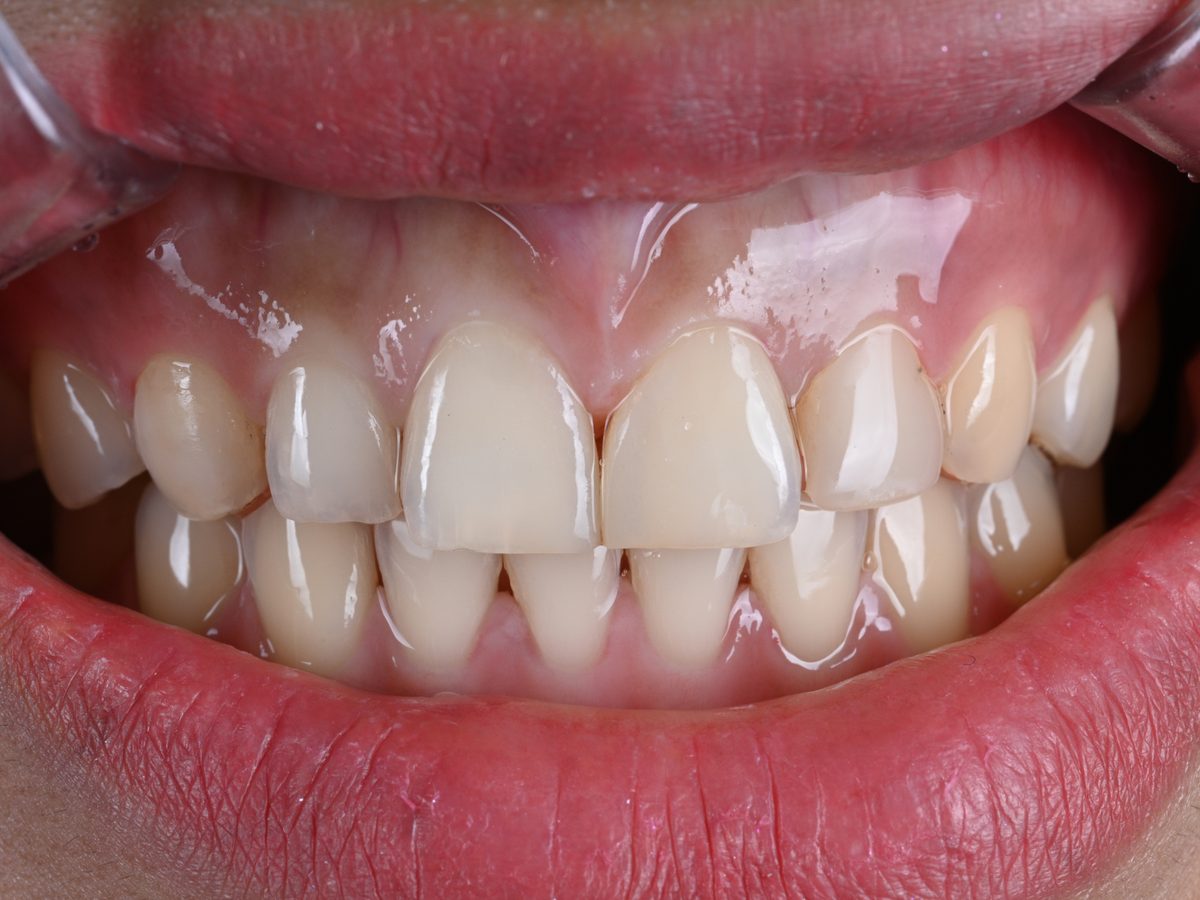
Veneers, ceramic crowns and smile design — made for your face.
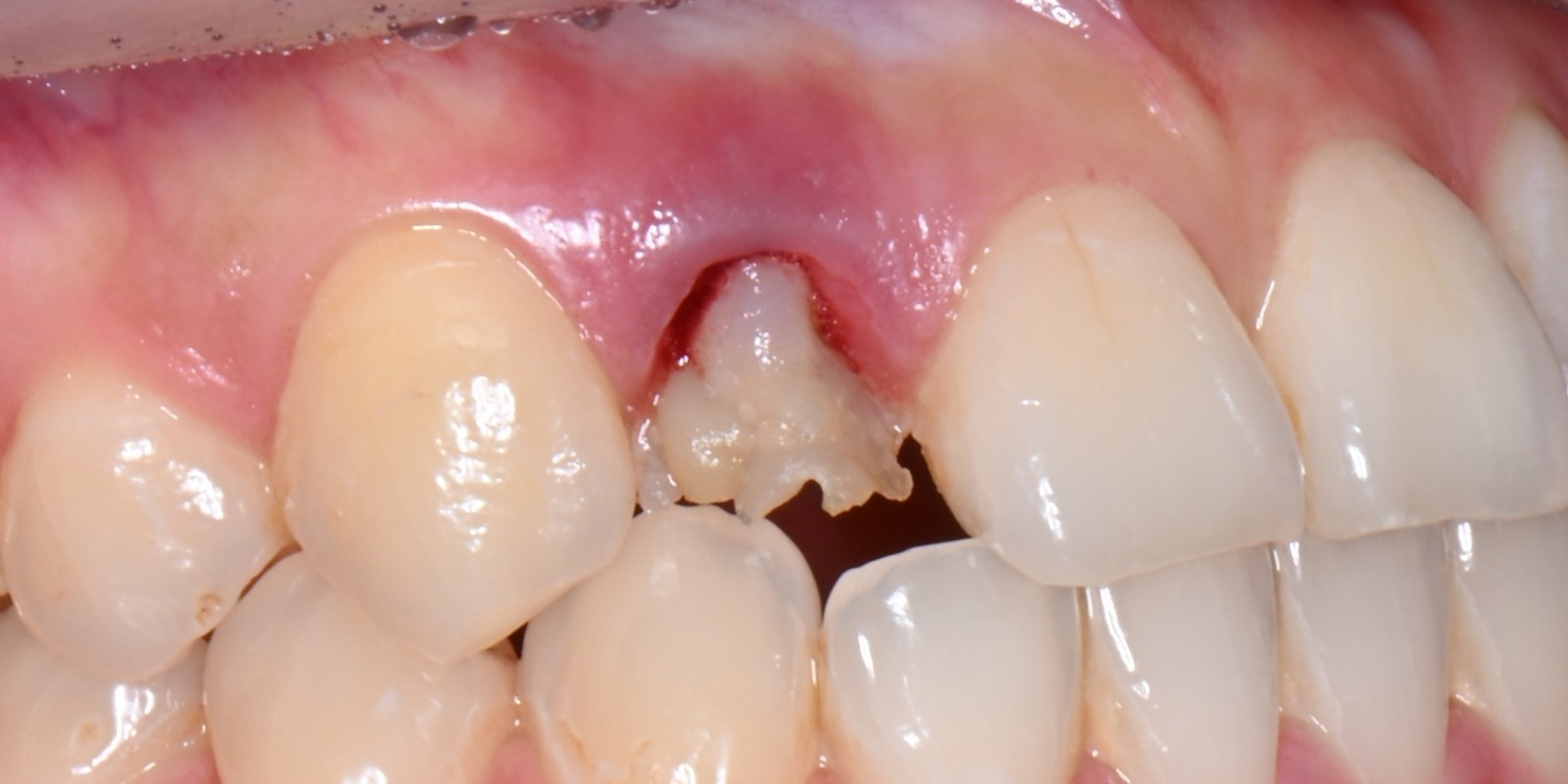 Before
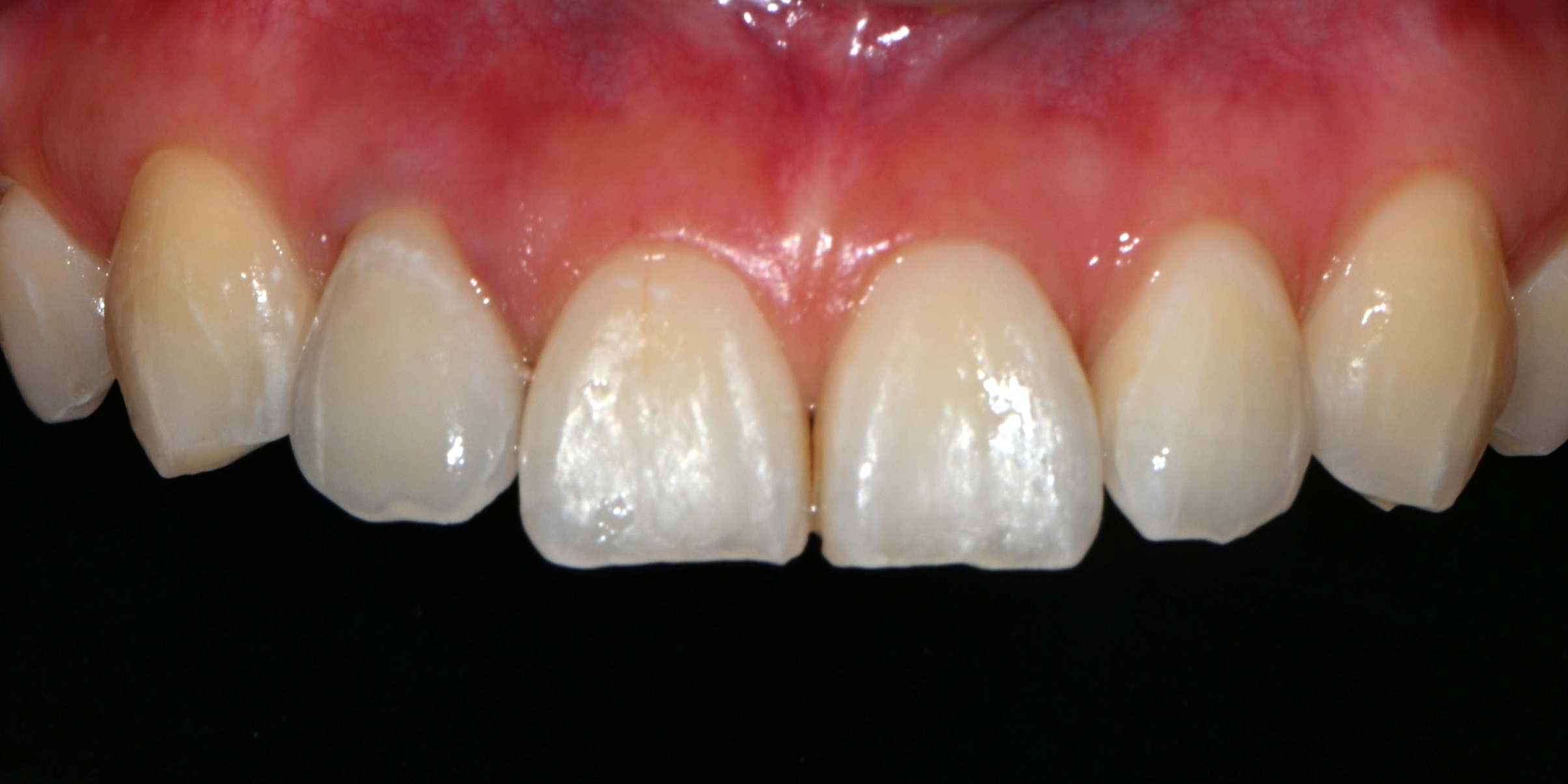 After
After
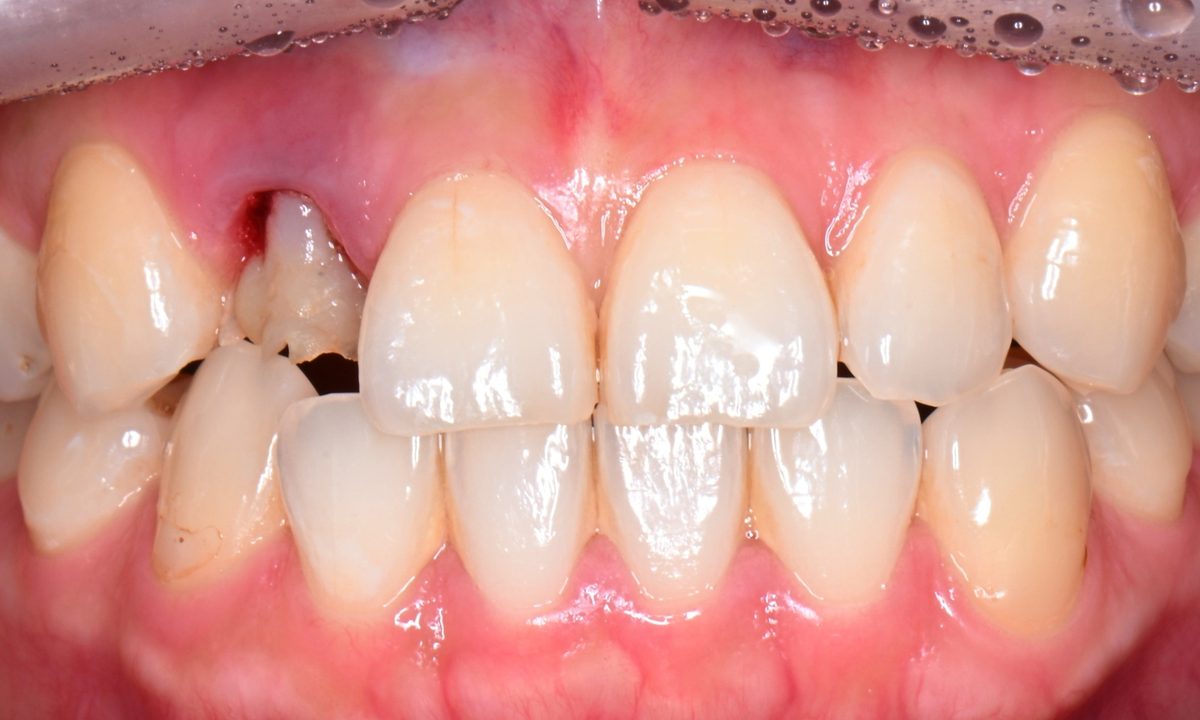
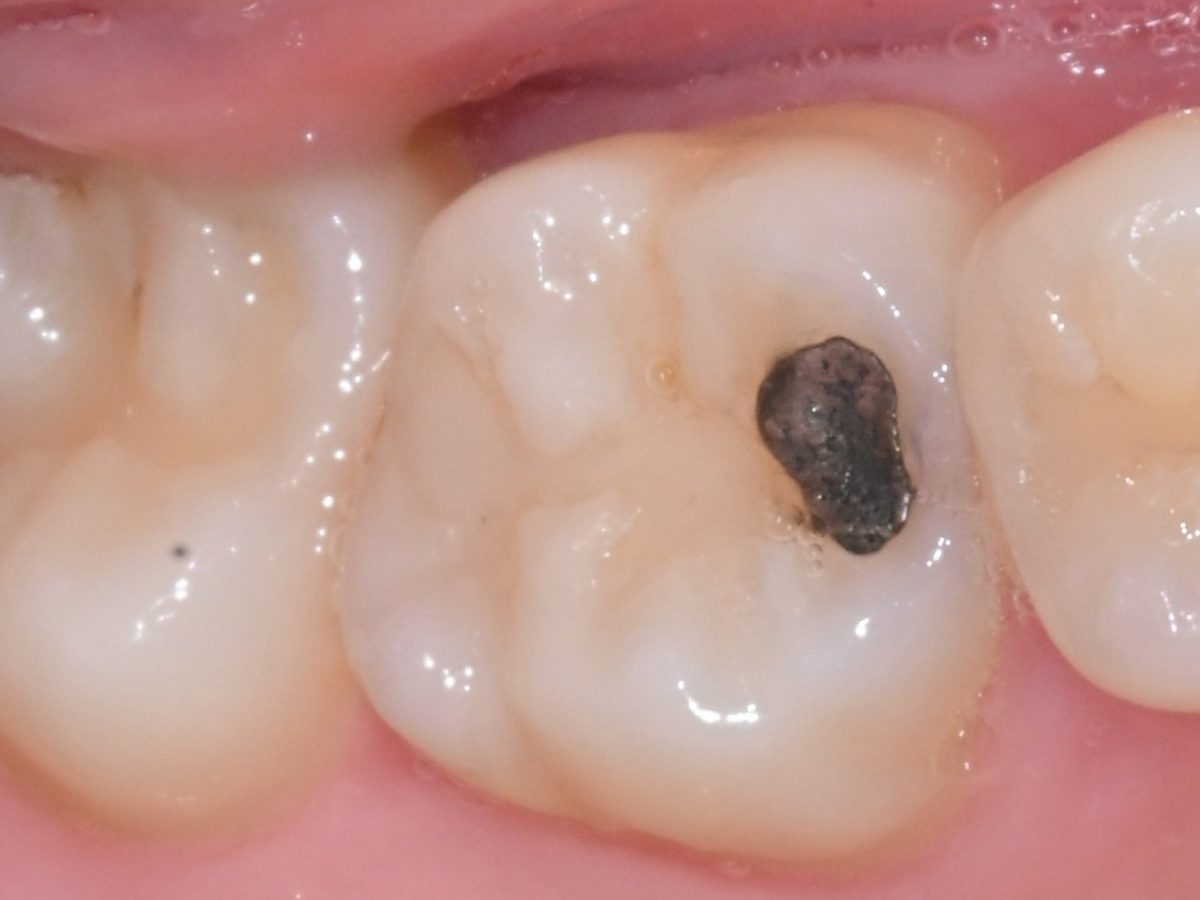
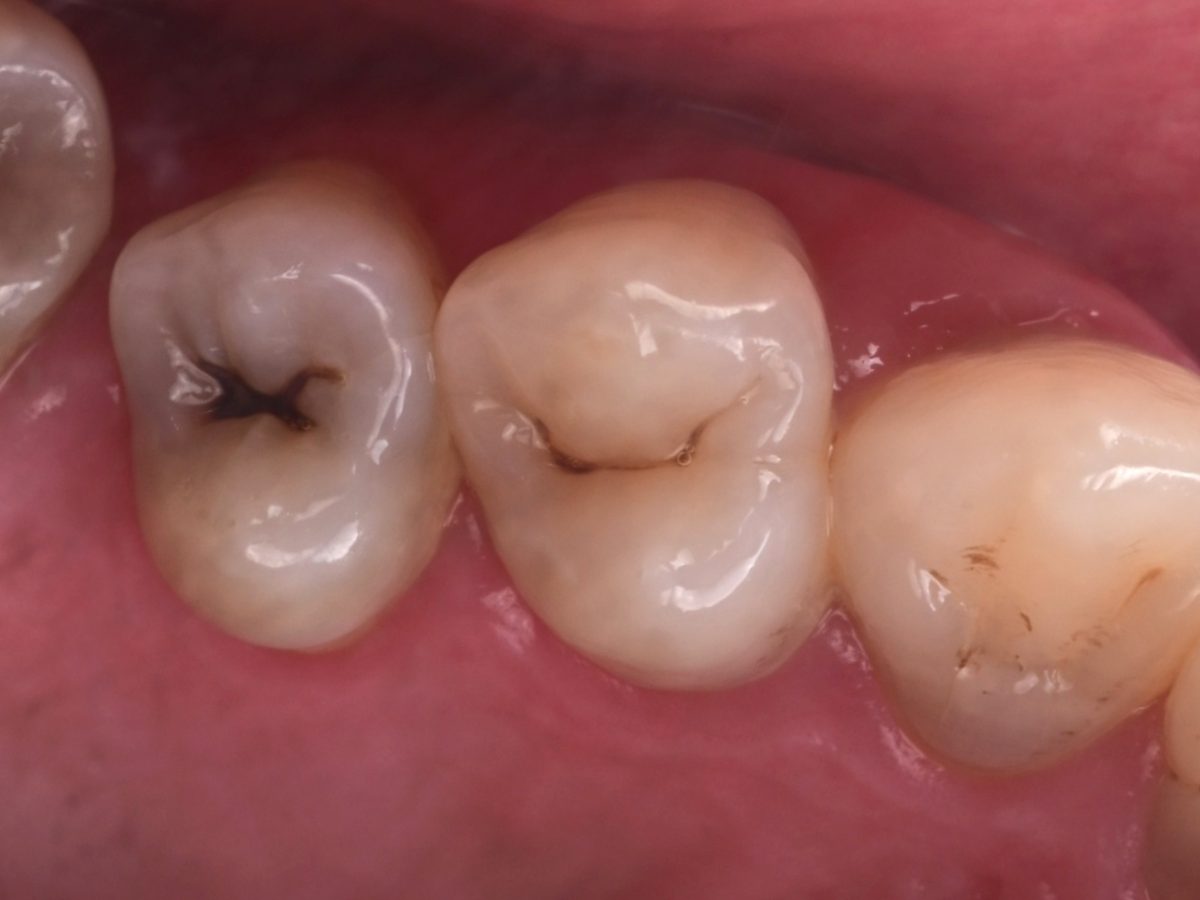
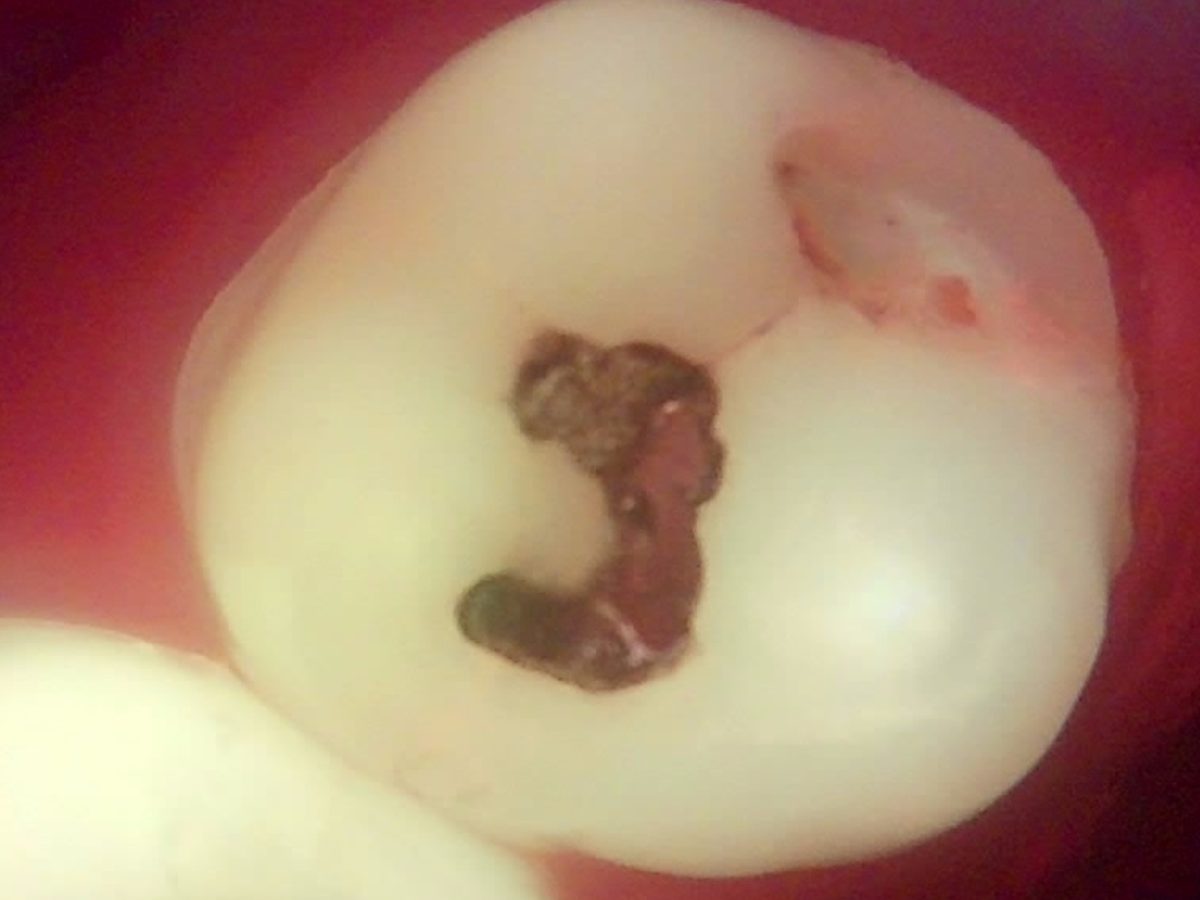
We save your natural teeth first — under high magnification.
Visiting from abroad?
Check-up, cleaning, bonding & whitening
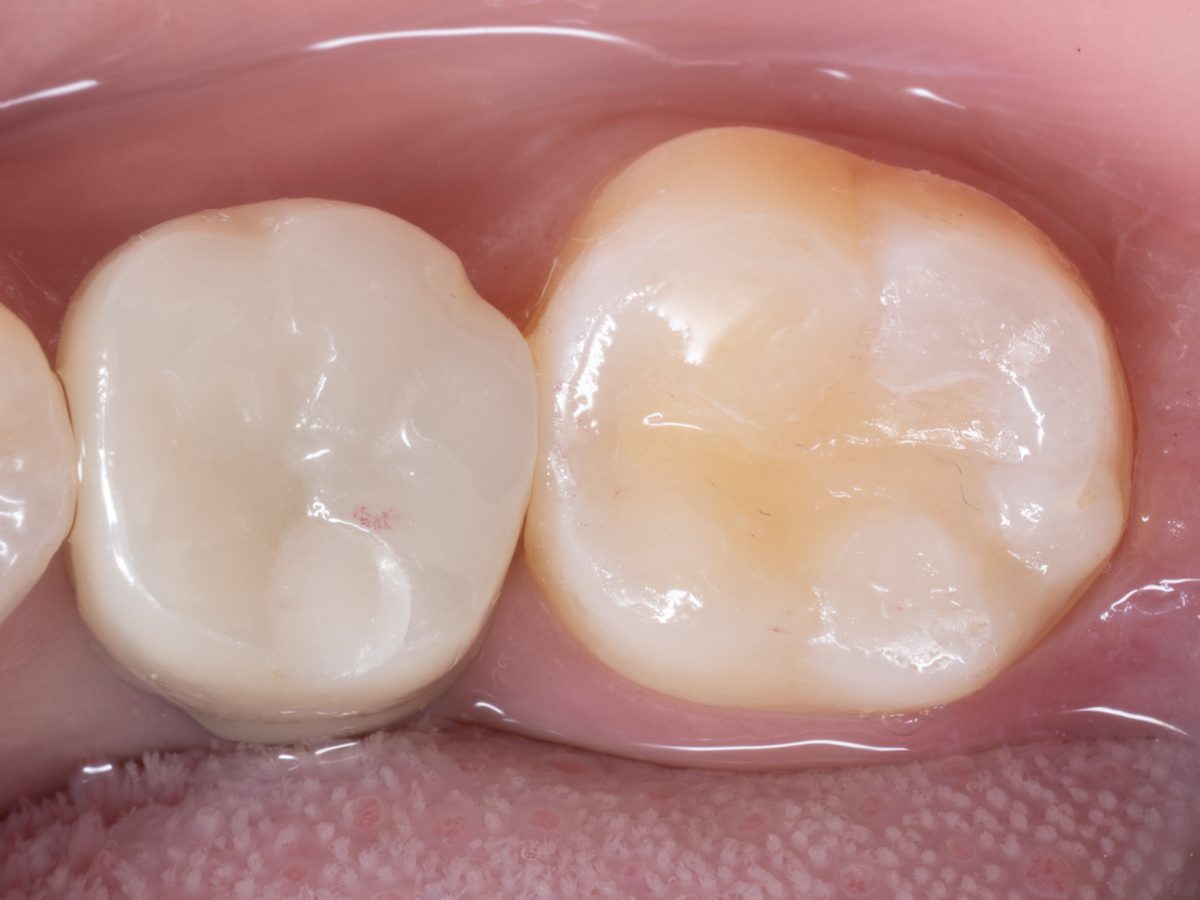
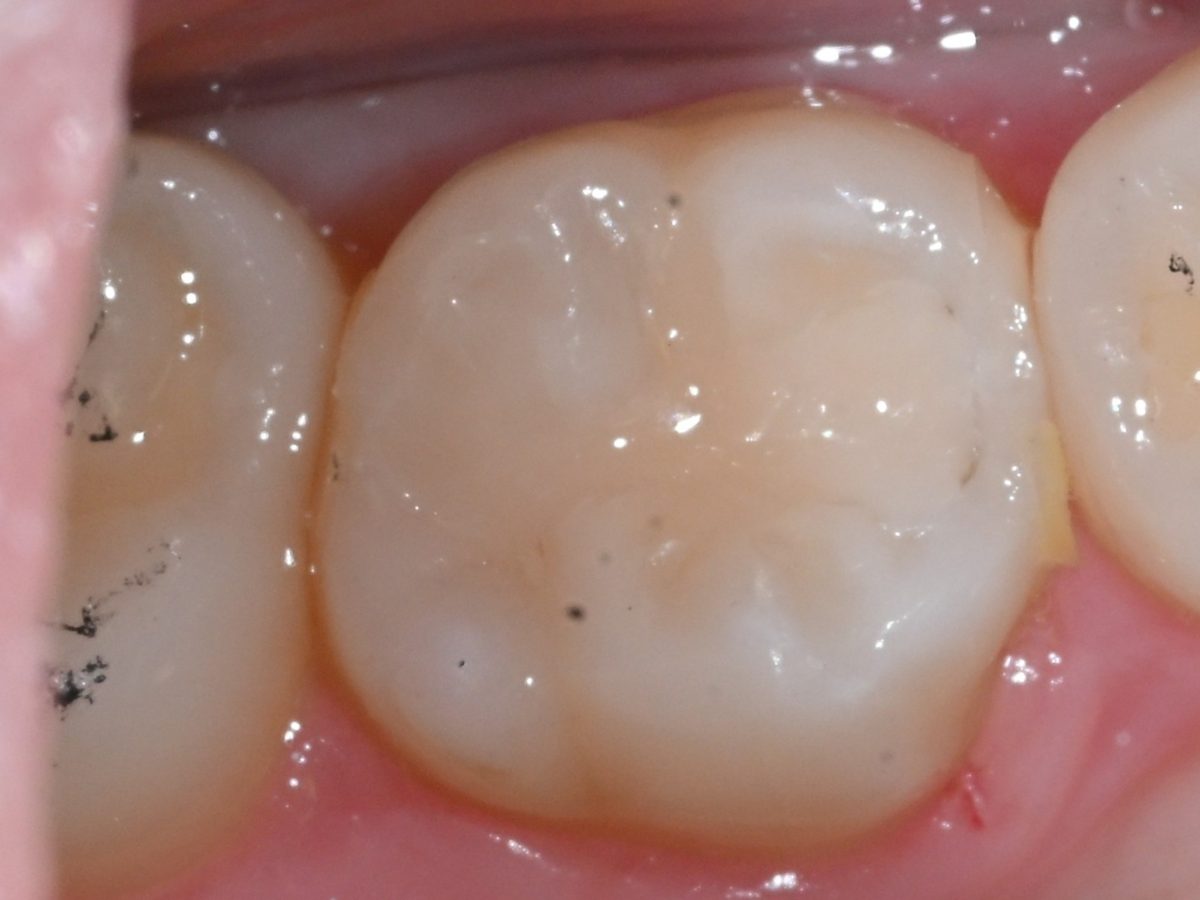
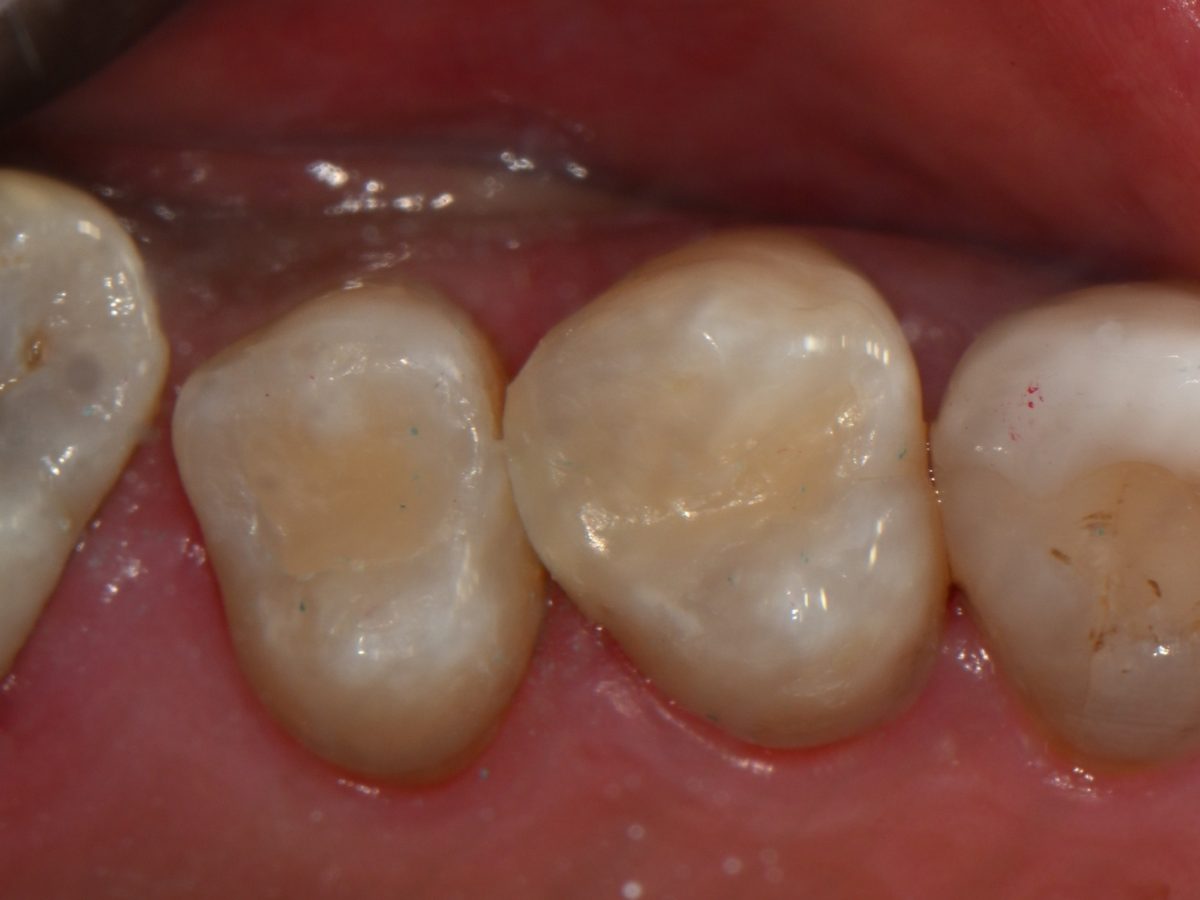
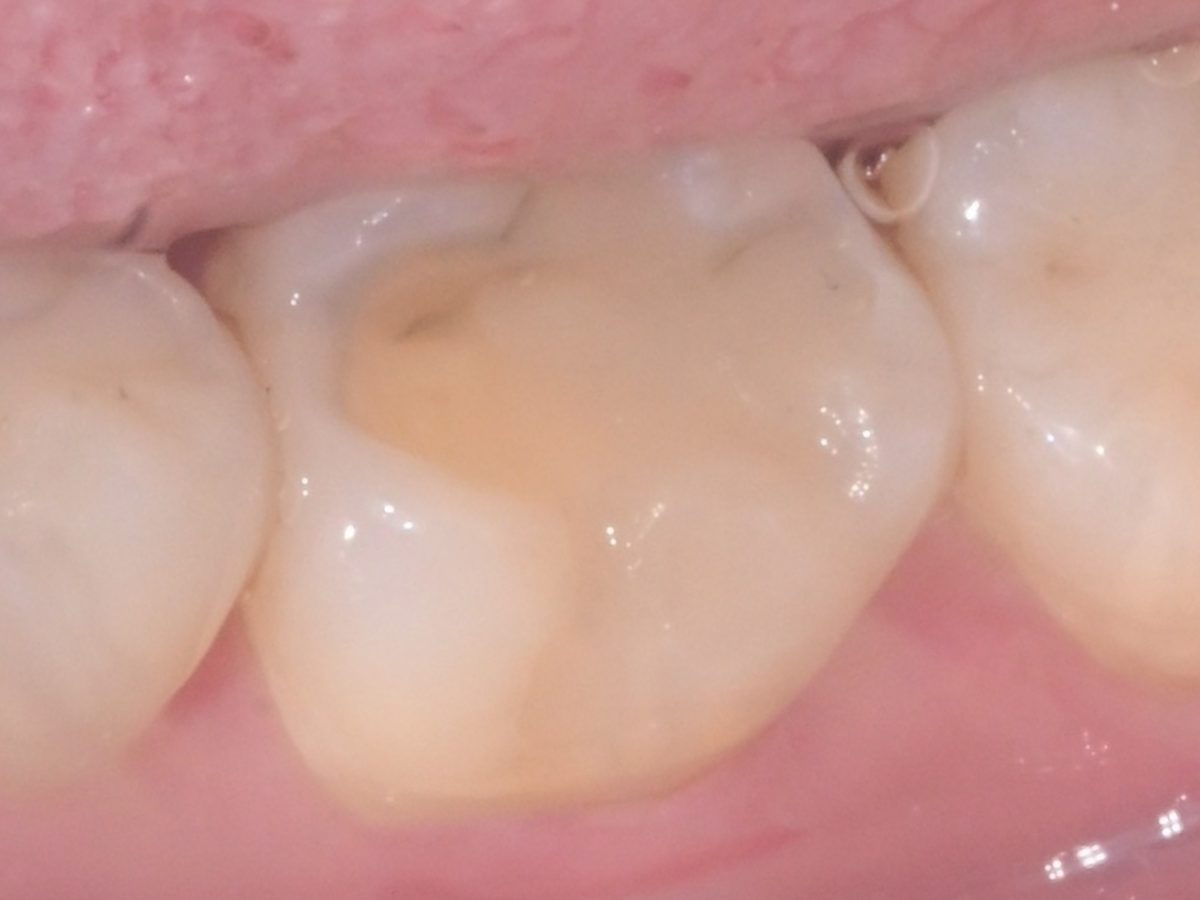
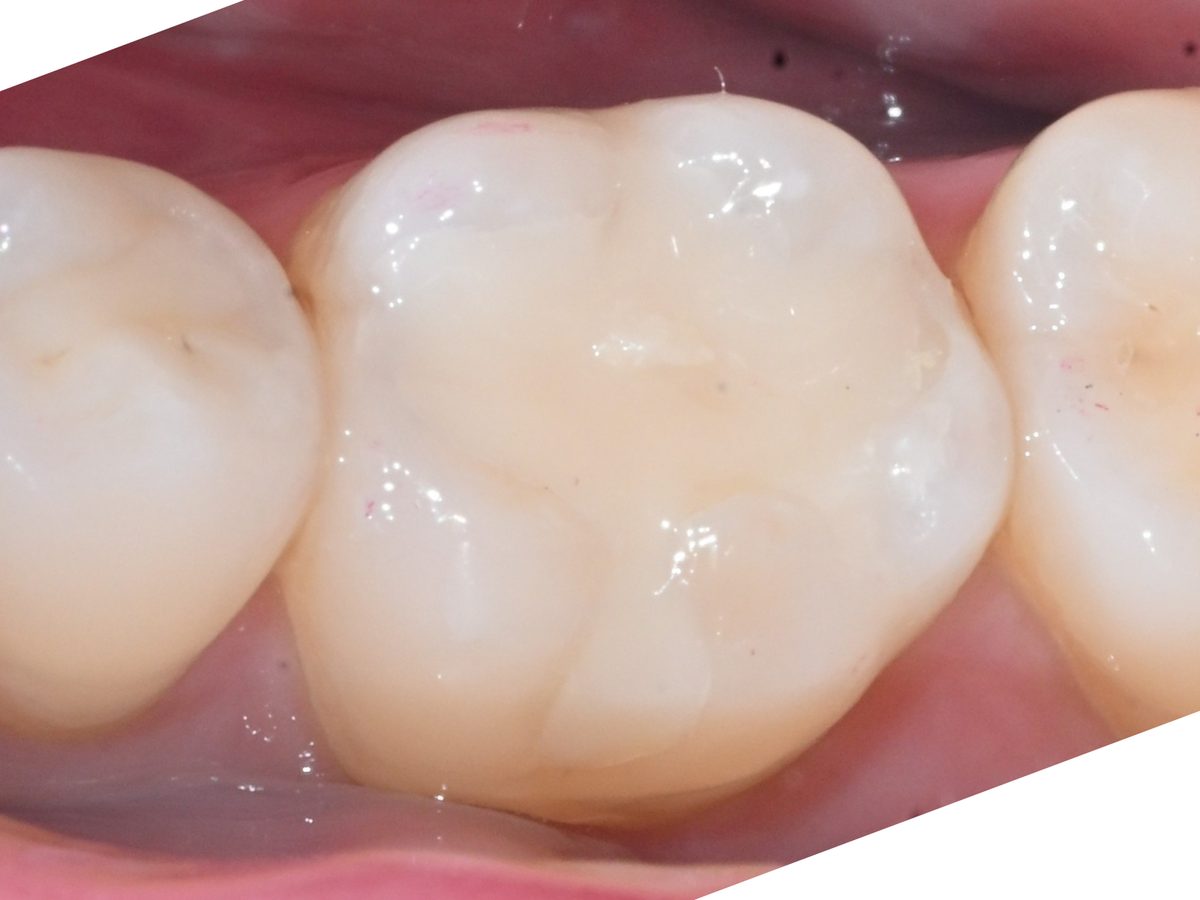
Ceramic inlays & onlays
Zirconia crowns from our in-house lab
Ceramic veneers Atelier Veneers →
Typical timelines — your exact plan is confirmed after an examination.
Actual clinical cases. Swipe to browse.
3.5s
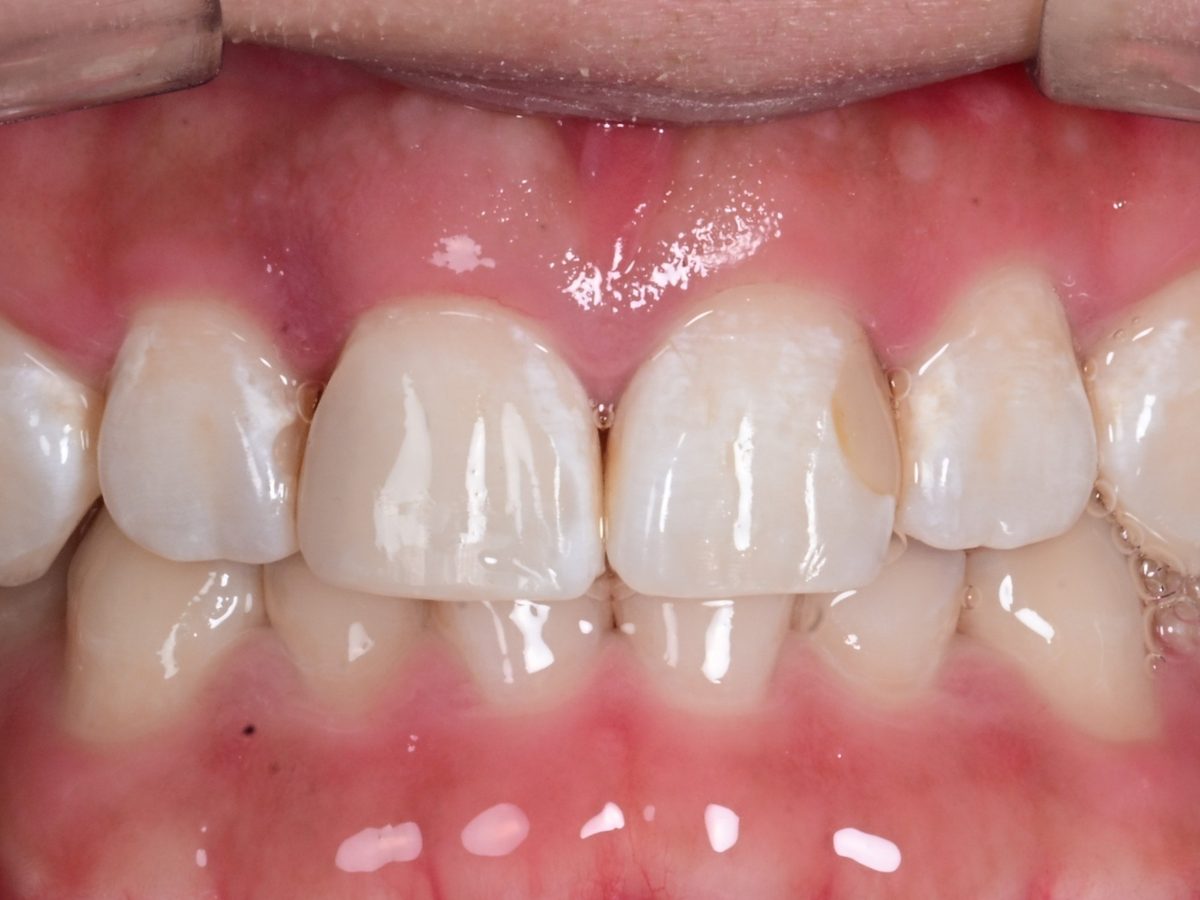
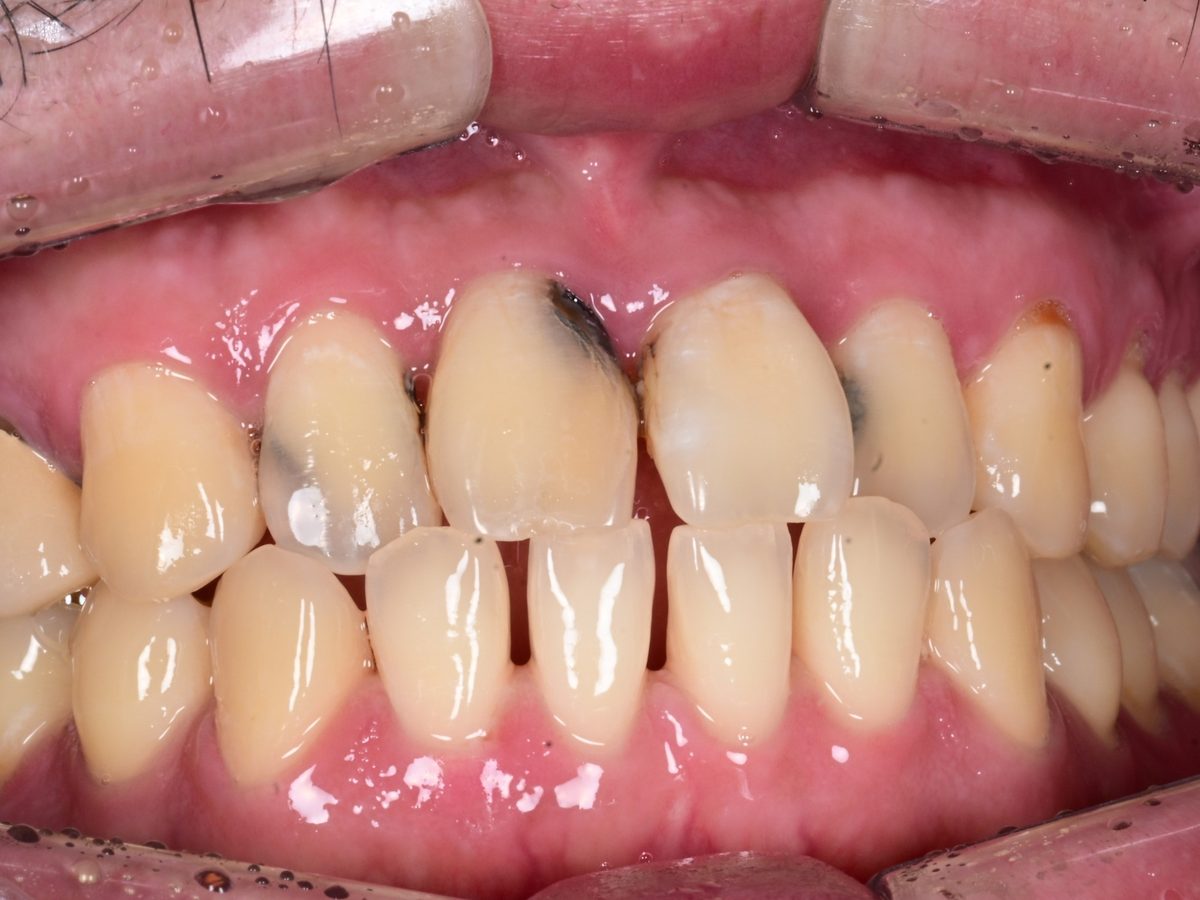
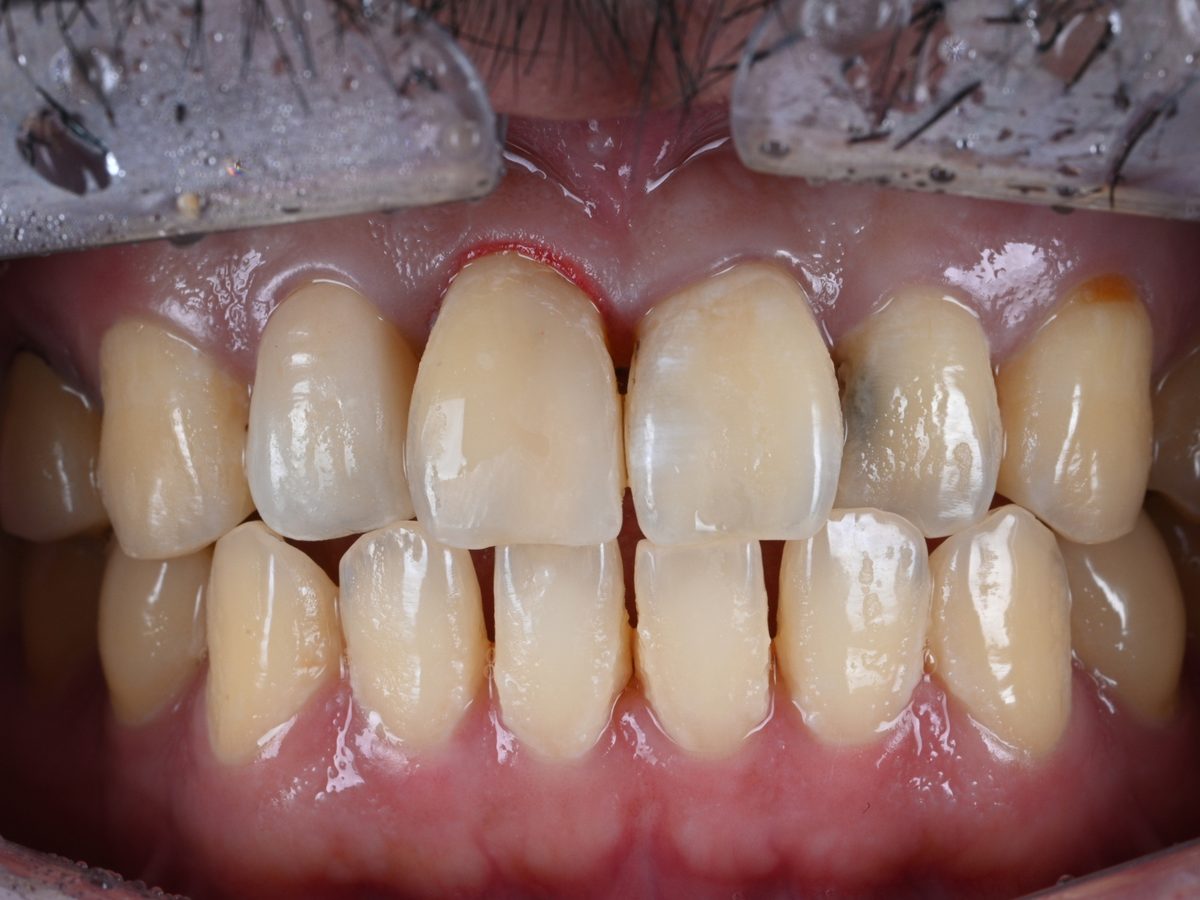
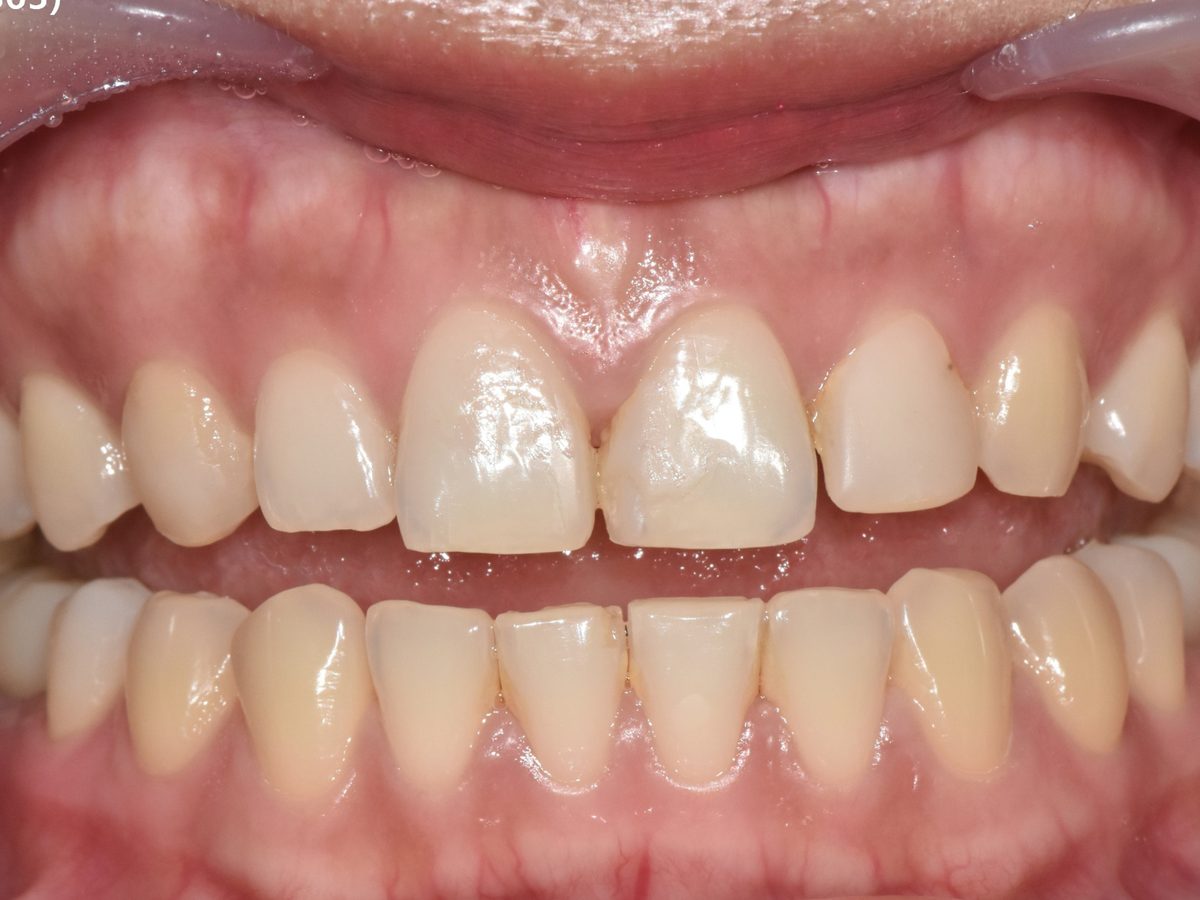
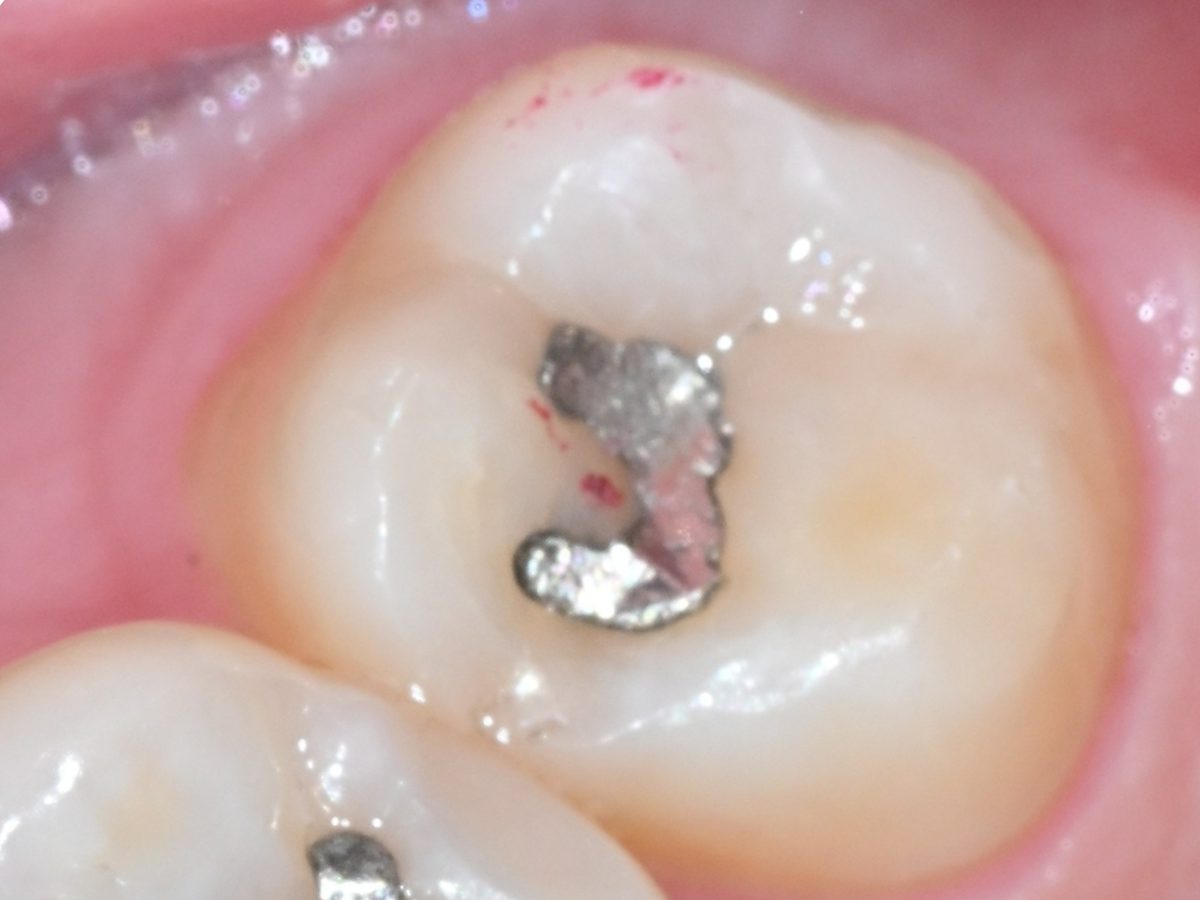
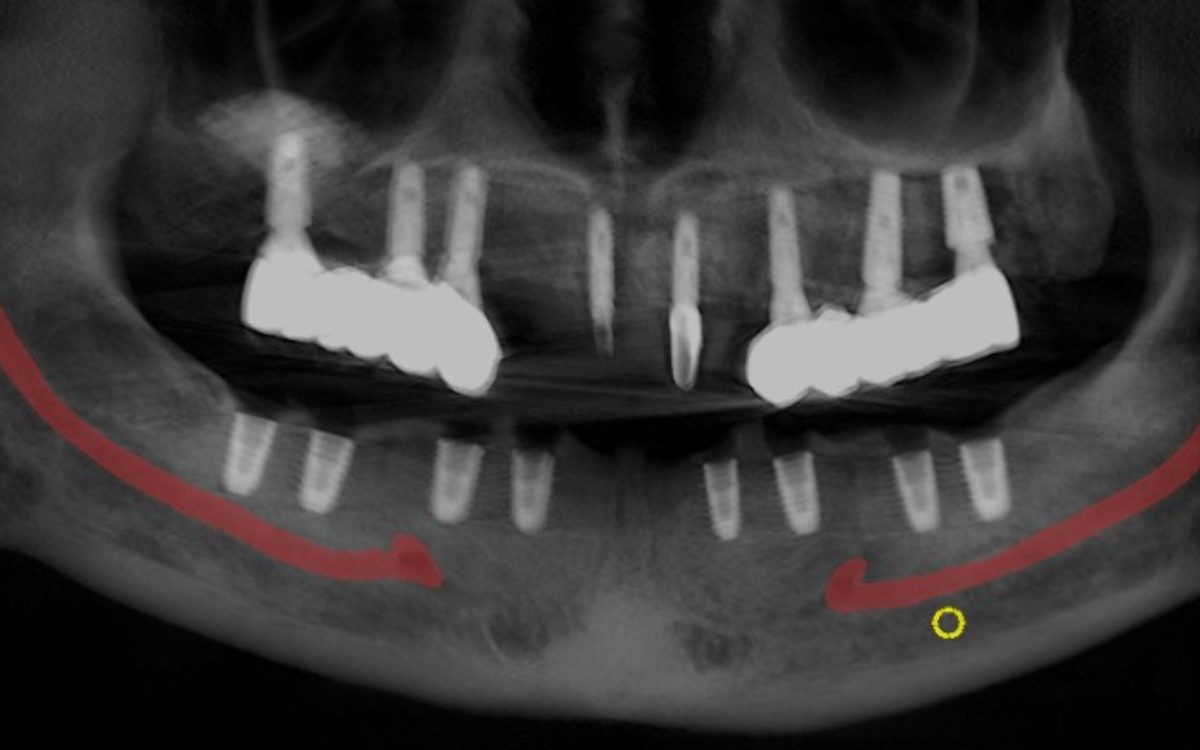
Full-arch implant restoration, lower jaw
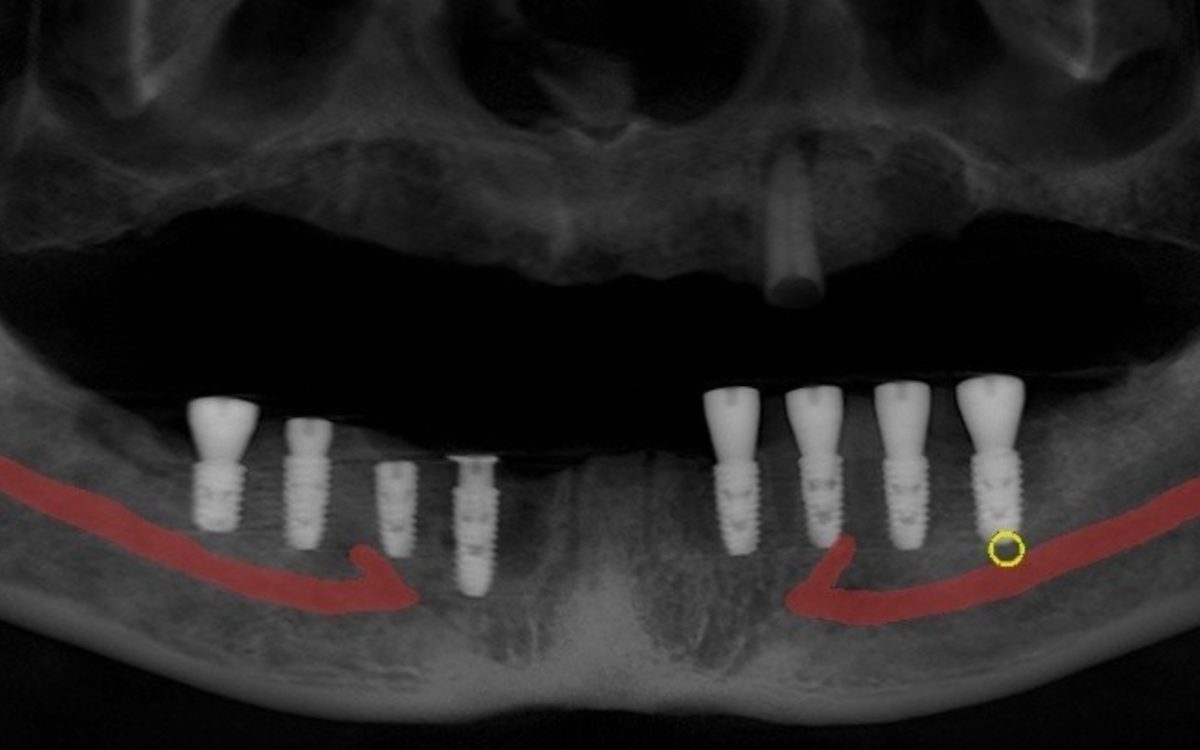
Full-arch implant restoration, lower jaw — second case
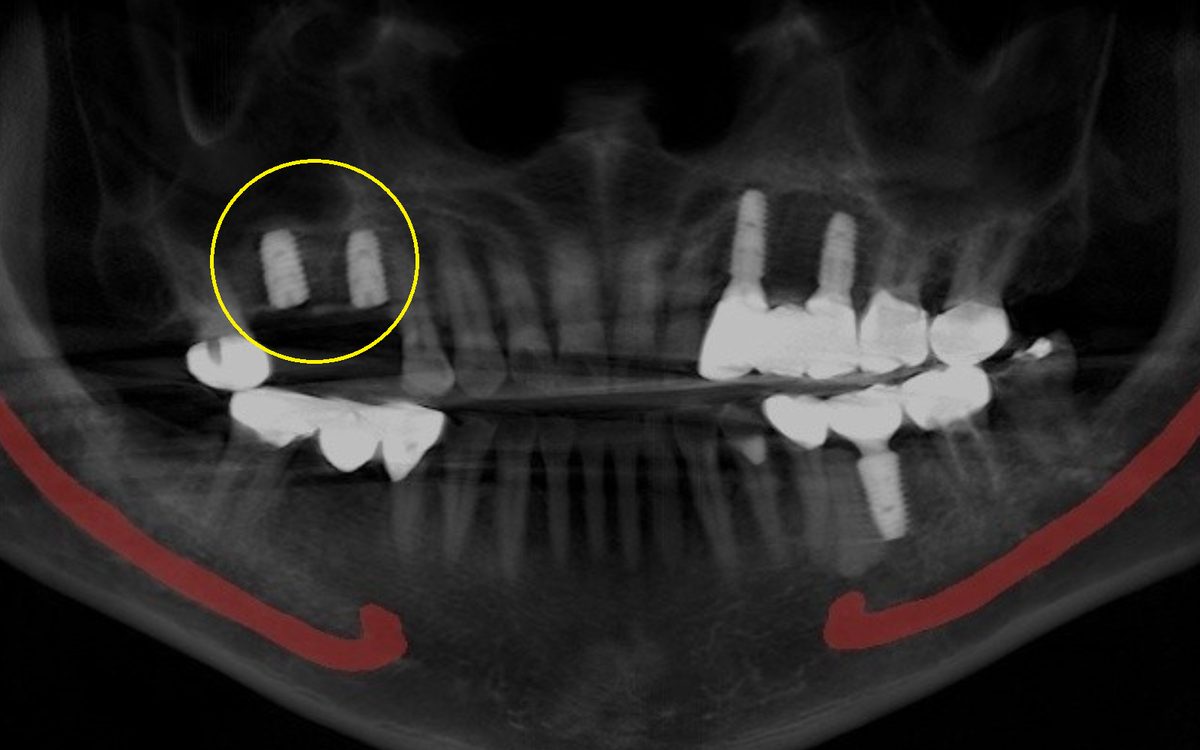
Advanced case — sinus lift (lateral window) with implant
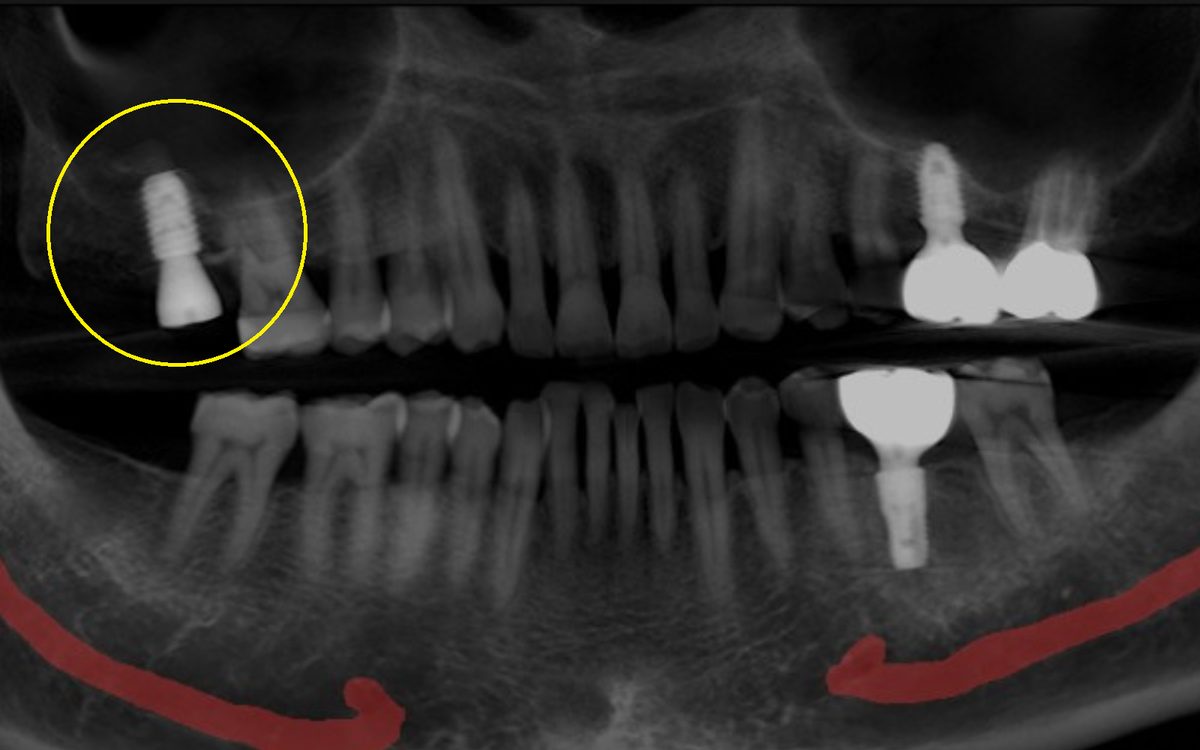
Advanced case — sinus lift (crestal approach) with implant
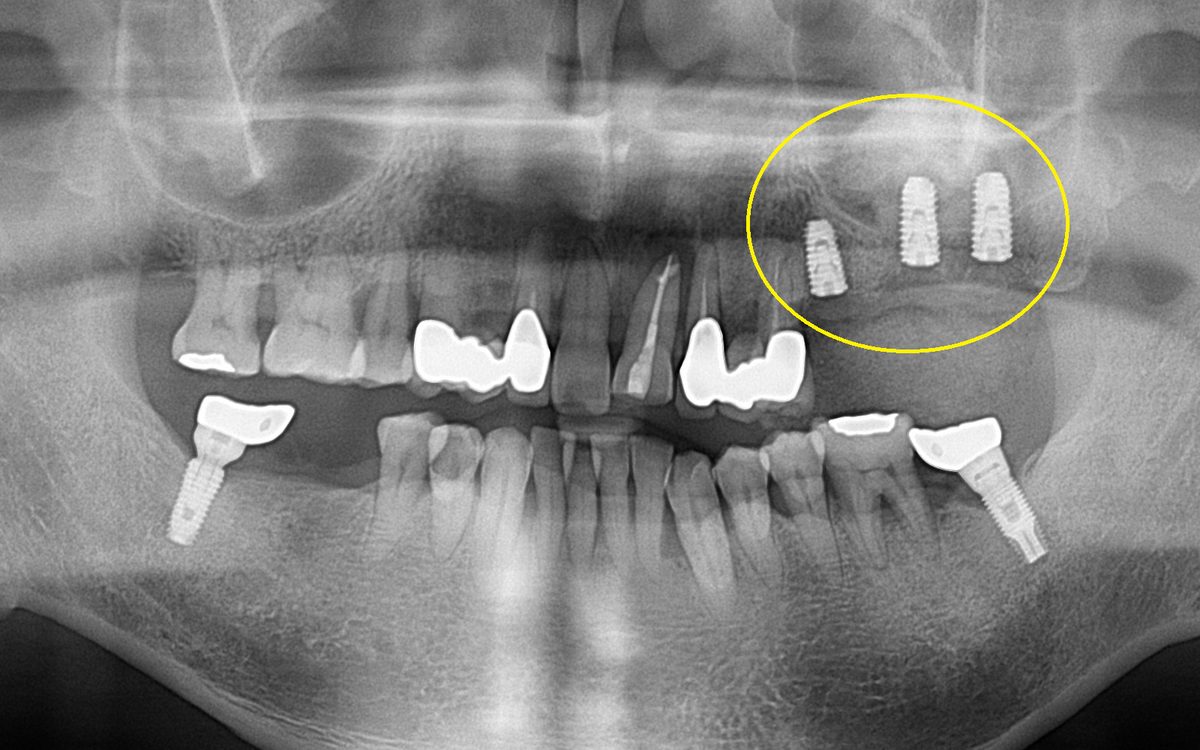
Advanced case — sinus lift (lateral window), second case
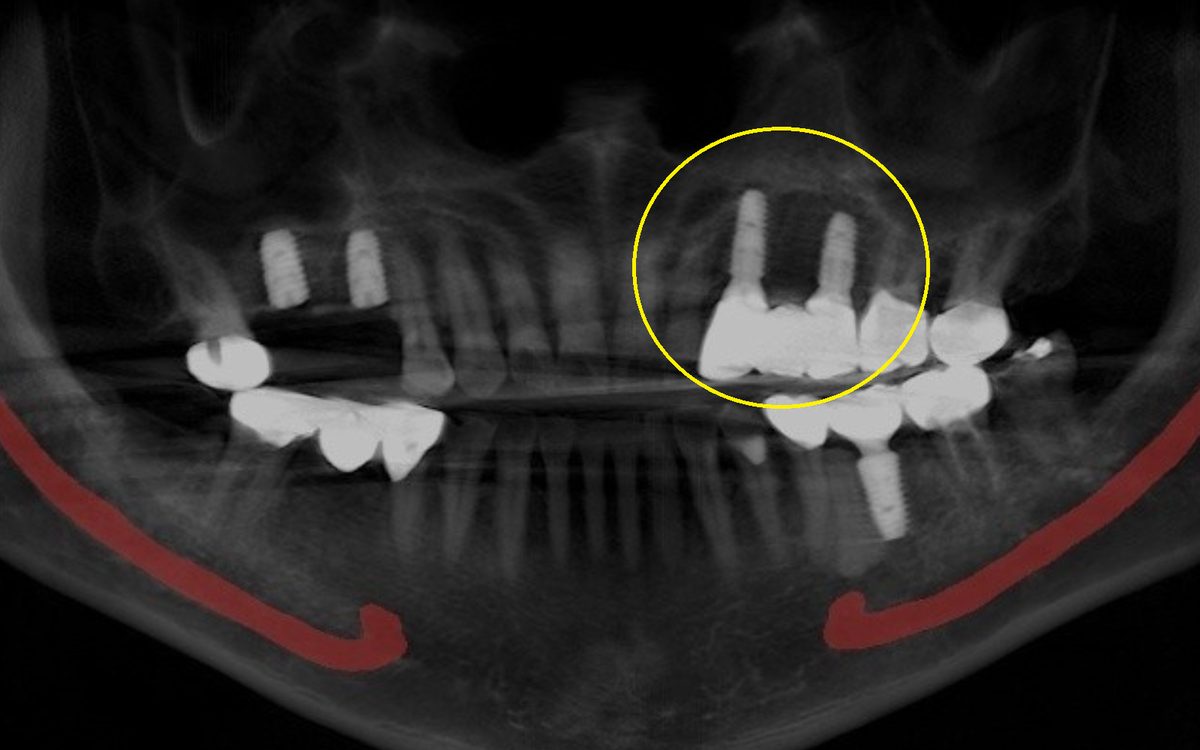
Immediate implant placement at extraction
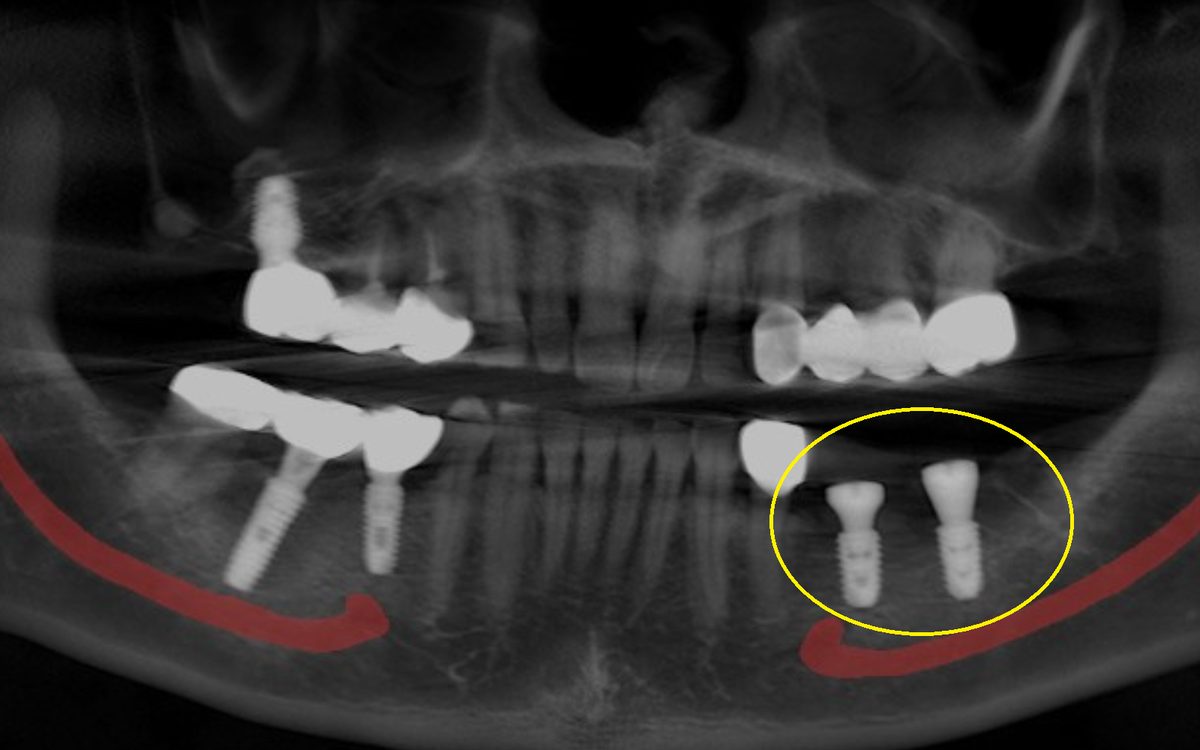
Fully guided digital implant surgery
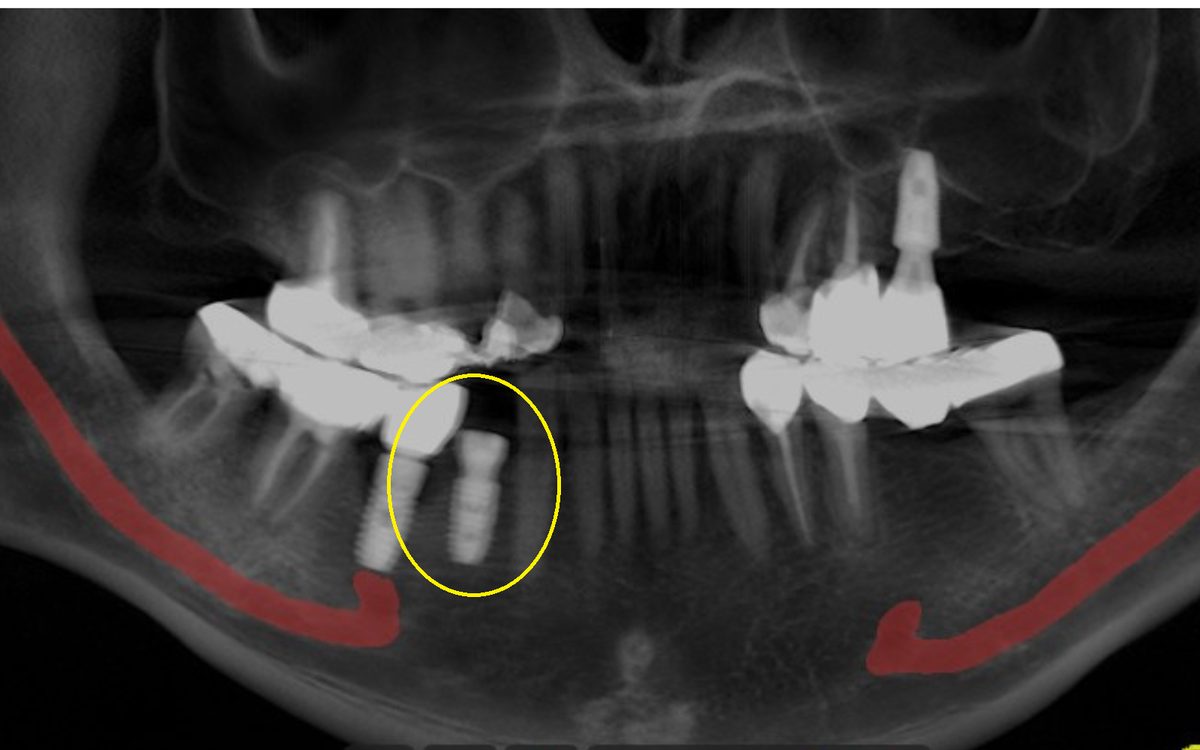
Immediate implant placement at extraction — second case
* Results may vary depending on individual oral conditions.
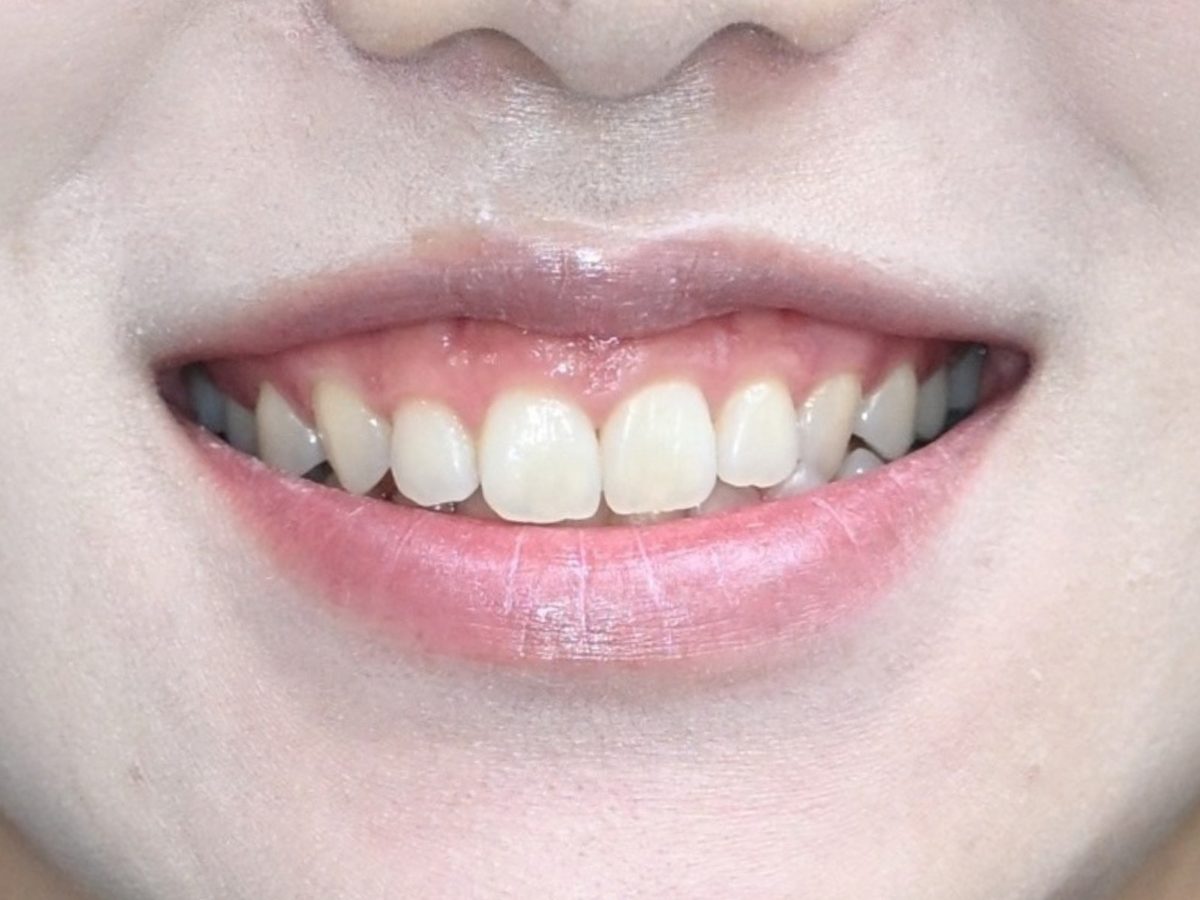
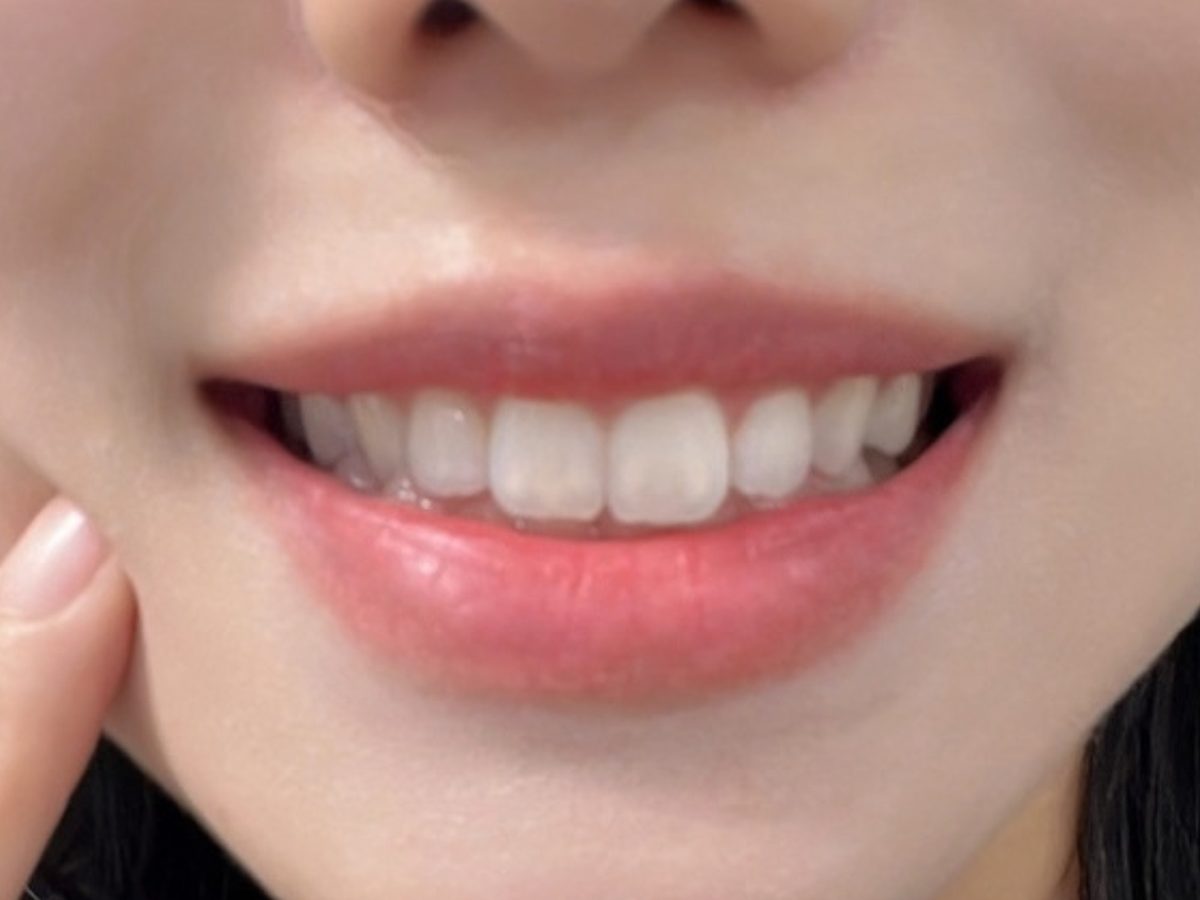
Relaxes the muscles that lift the upper lip to reduce gum exposure when smiling
* Results vary between individuals. Possible side effects include bruising, swelling and an asymmetric smile.
Carefully chosen equipment
for precise diagnosis and treatment.
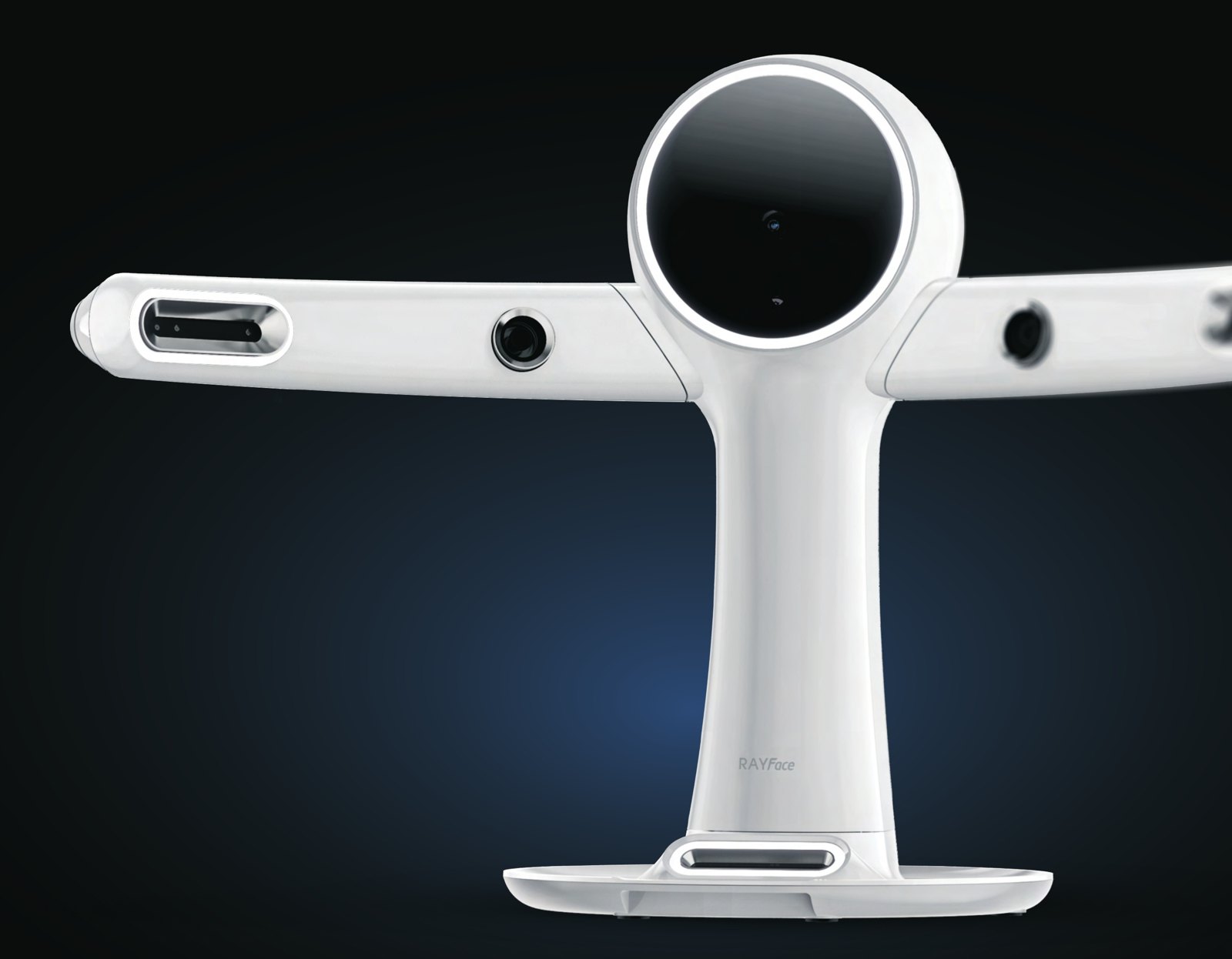
A 3D face scan in about a second — smiles designed for your face.
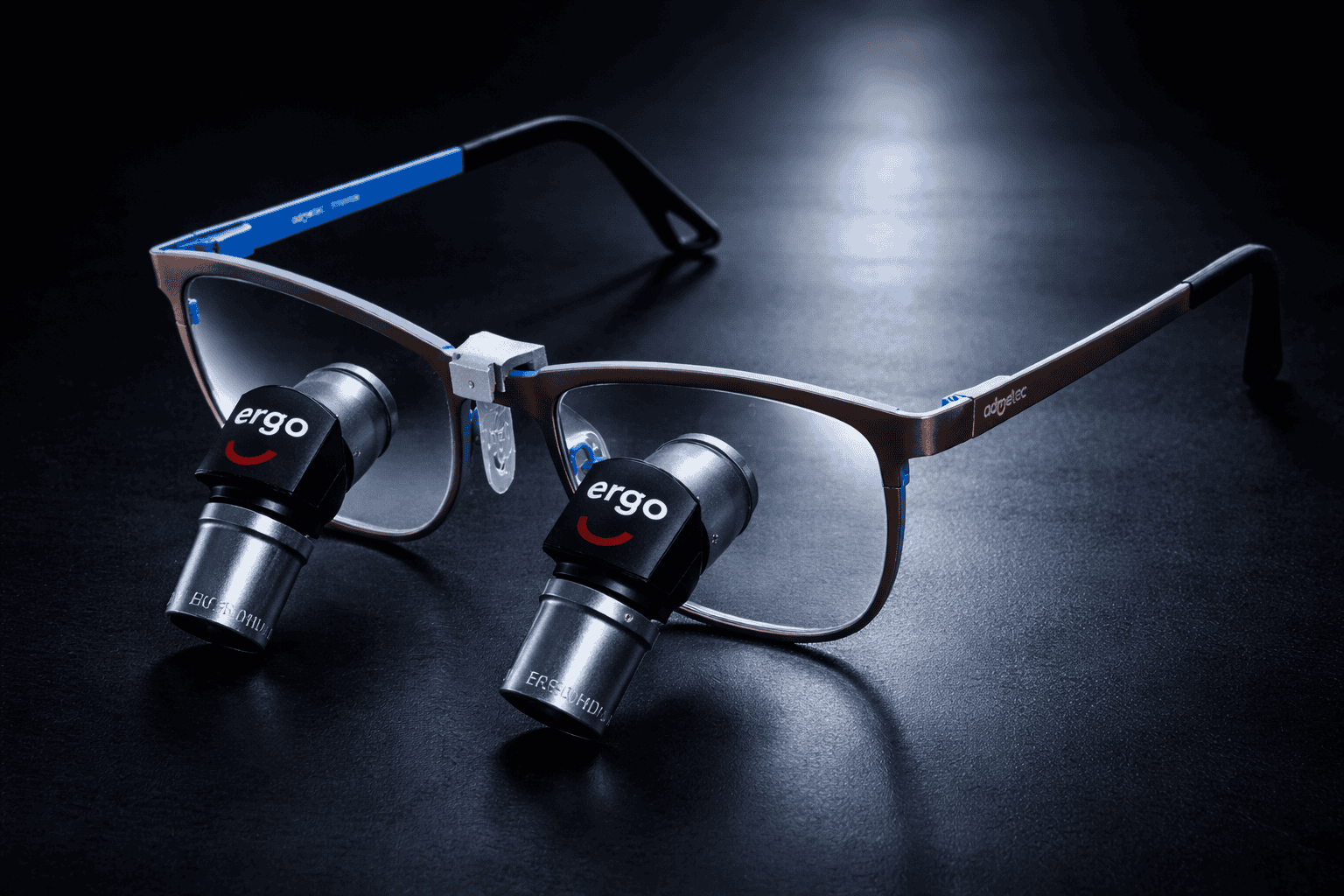
High-magnification surgical loupe for detecting and treating the finest tooth structures.
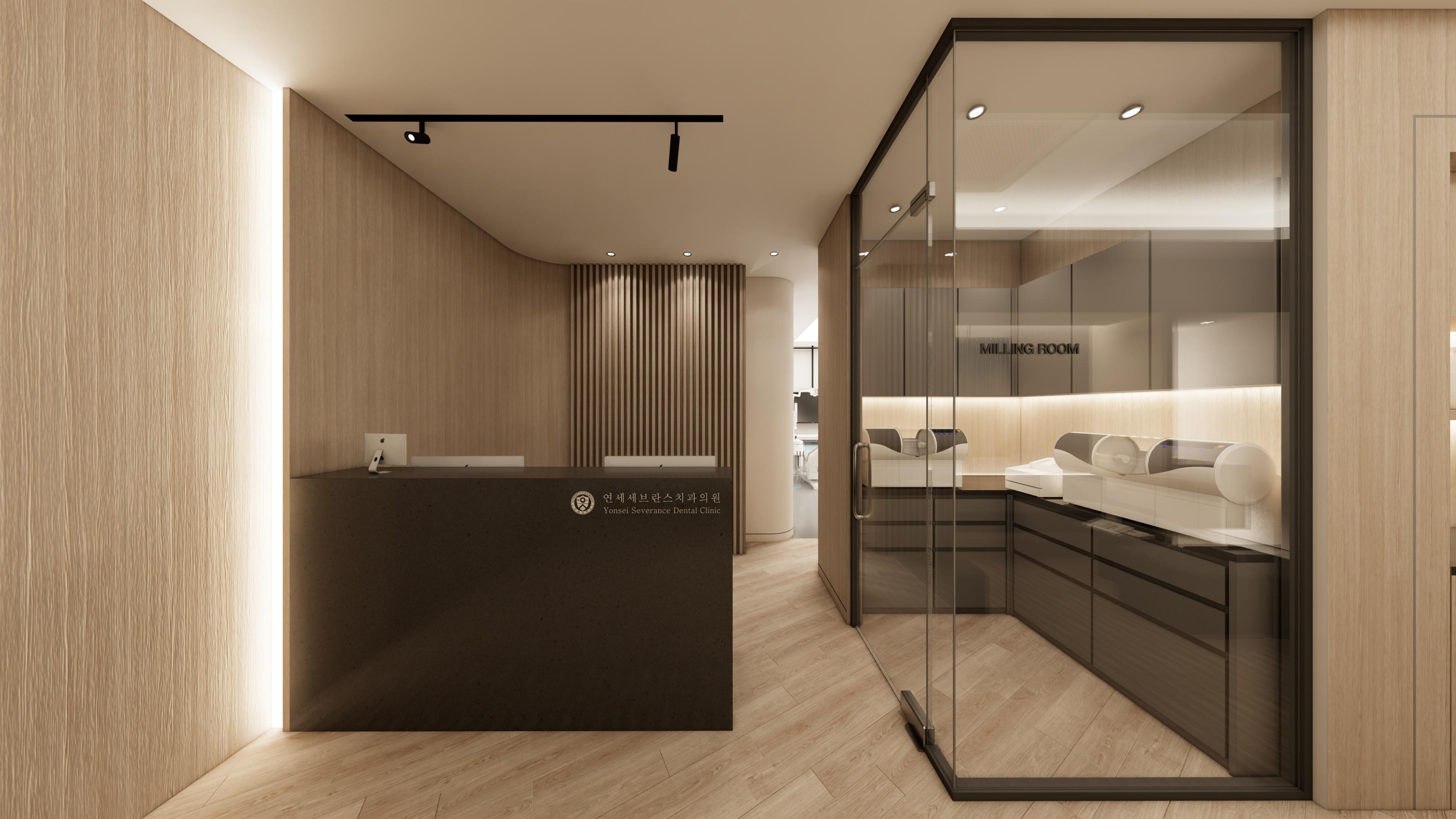
Scan, design, mill and print — all under one roof.
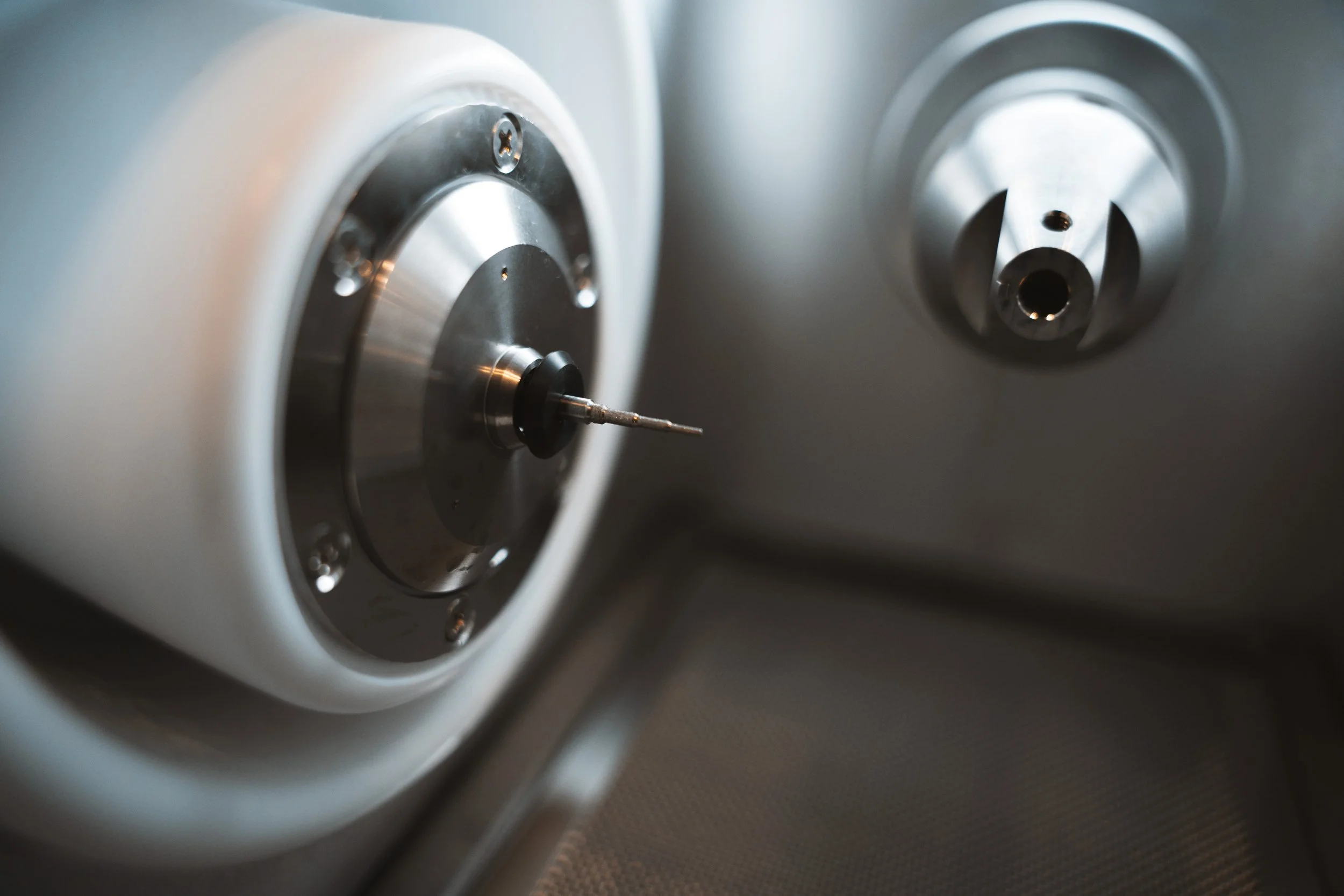
Zirconia, e.max and metal — milled in our own lab, never sent away.
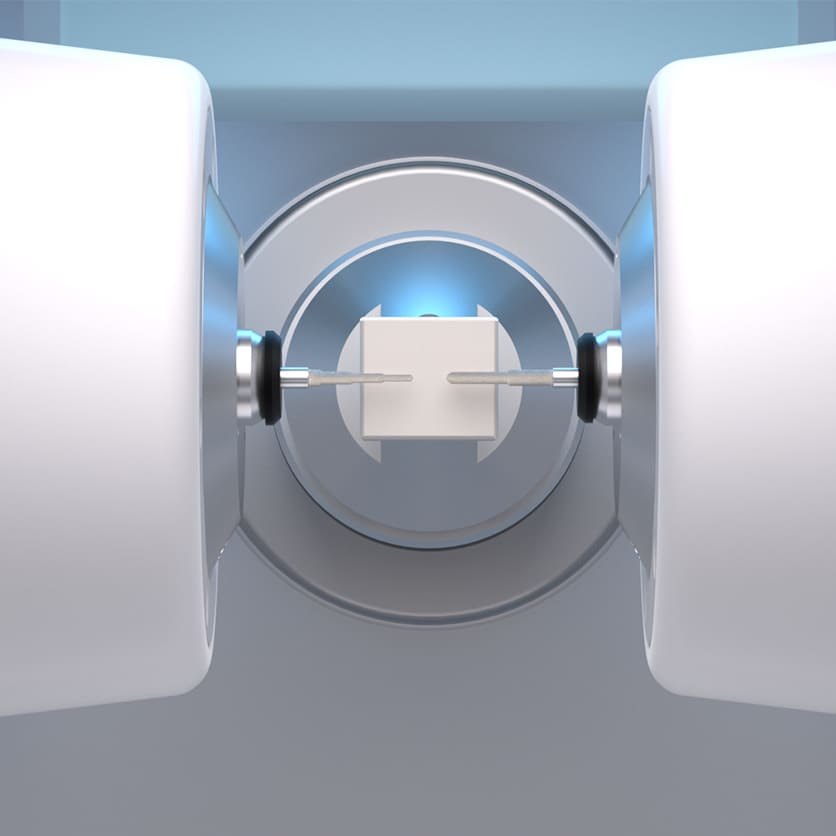
Ceramic inlays and crowns milled right in the clinic — often the same day.
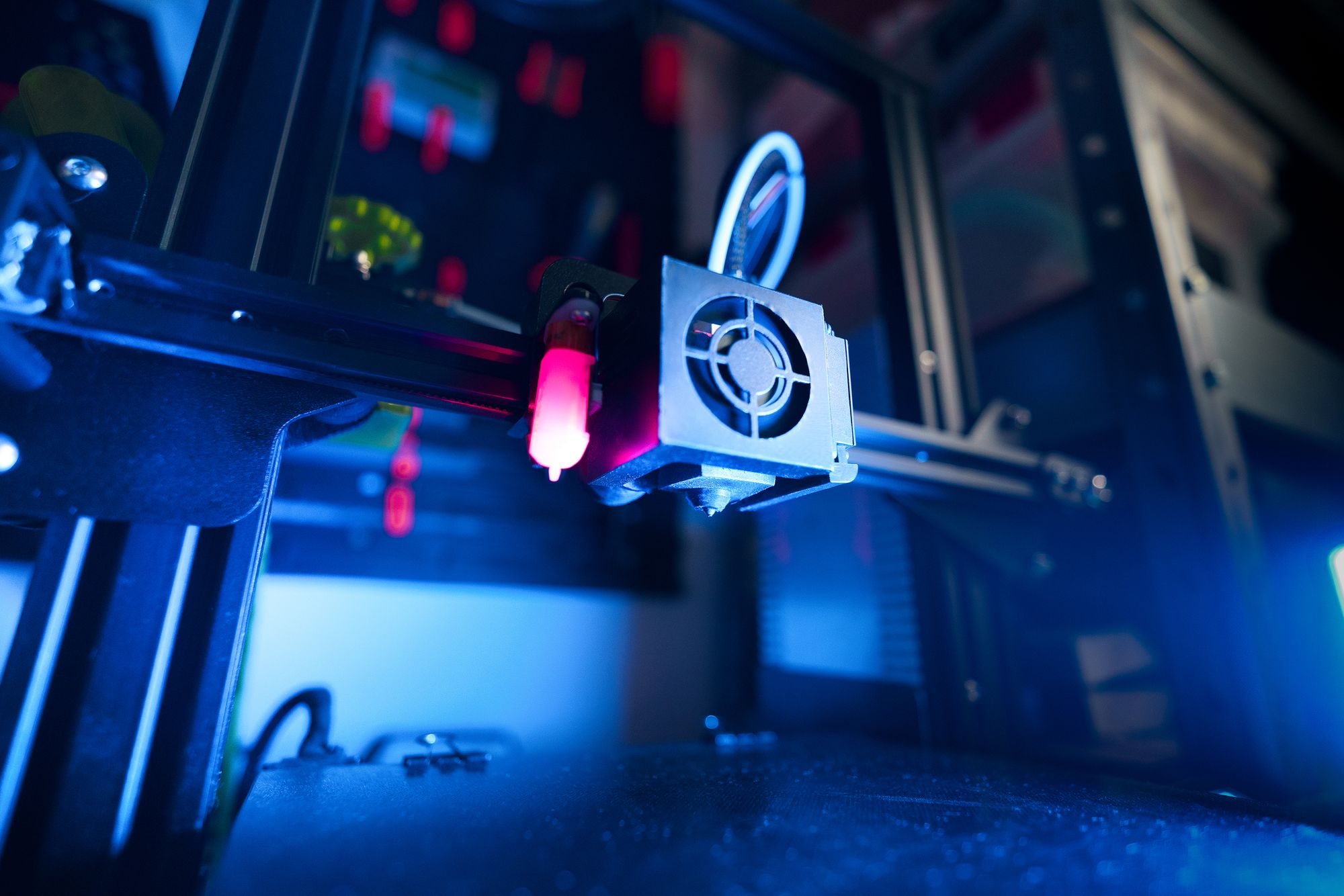
Surgical guides, models and temporaries printed in-house, layer by layer.
204, Halla Sigma Valley 2nd
Seongsu-dong, Seongdong-gu, Seoul
Seongsu — by Seoul Forest and the café streets
FAQ
Find answers to common questions before your visit. For a personal consultation, feel free to call us.
+82 2-6298-2875A board-certified prosthodontist is a dental specialist trained in the restoration and replacement of teeth. Dr. Ahn Do-gwan of Yonsei Severance Dental holds dual board certifications in Prosthodontics and Comprehensive Dentistry.
Using Ray 5D technology, a precise digital model of the patient's anatomy is created and computer-simulated surgery determines the optimal implant position before the actual procedure is performed.
RAYFace (3D face scanner), RAYMill C and DOF Craft Plus (milling machines) and RAYDENT Studio (3D printer). Restorations are designed and made inside the clinic — more precise, and much faster than sending them to an outside lab.
The easiest way is our online Book Now form — pick a date and time and our staff will confirm within one business day. You can also message us on WhatsApp or call +82 2-6298-2875. We are open Mon and Wed 10:00–21:00, Tue and Fri 10:00–19:00, and Saturday 09:00–14:00. We are closed on Thursday, Sunday and public holidays.
Parking is available in the Halla Sigma Valley 2nd building. For details, please call +82 2-6298-2875.
Yes. Dr. Ahn, our dentist, speaks English and personally explains your diagnosis and treatment plan. Before your visit, you can message us on WhatsApp to ask questions or share photos and X-rays.
Many treatments fit into a short stay. Check-ups, cleaning, composite bonding and teeth whitening take a single visit. Thanks to our in-house digital lab, ceramic inlays and onlays are finished in one day and zirconia crowns in as little as 2 days. Send us your travel dates and we will plan your schedule.
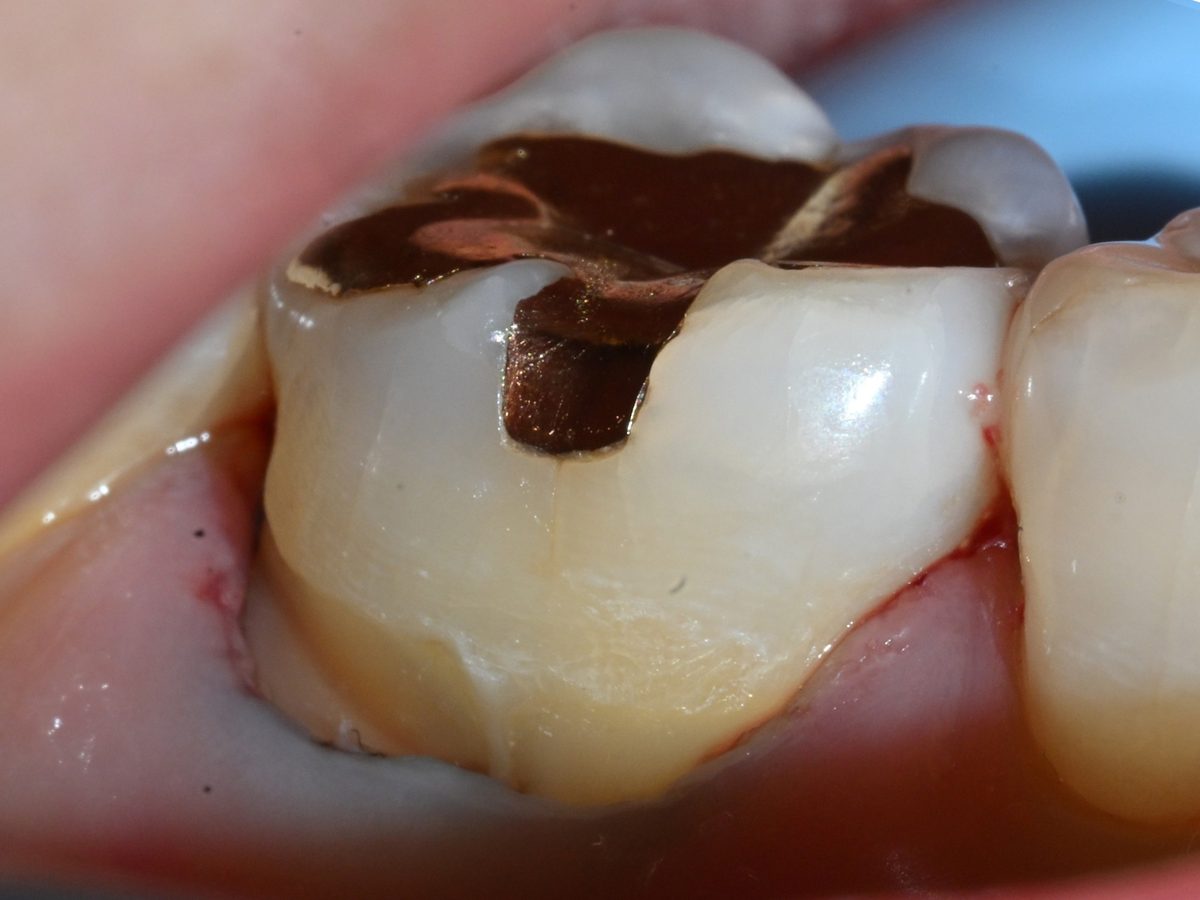
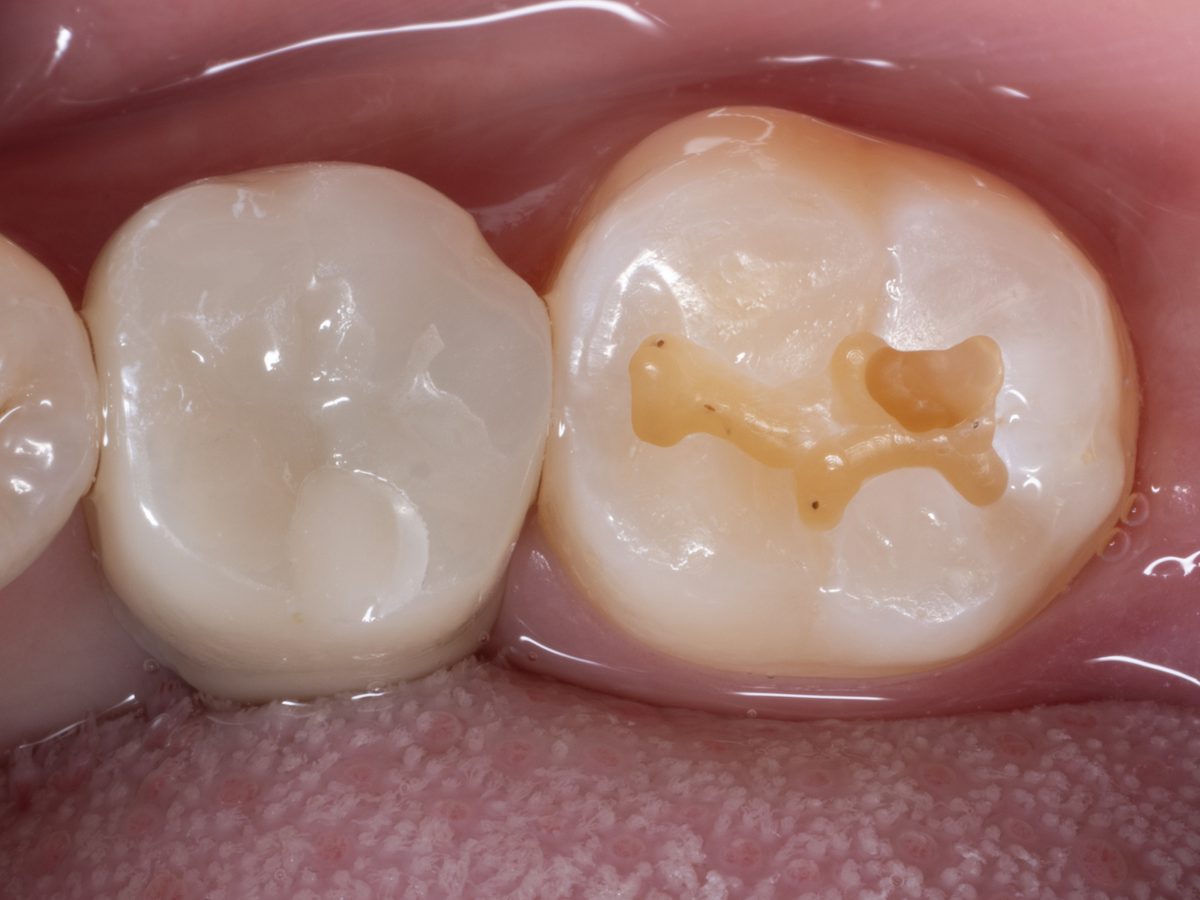
Post-filling sensitivity usually has three causes: ①wrong adhesive system selection, ②not following proper bonding steps and application timing, and ③saliva or moisture contamination during treatment. Using a rubber dam to isolate the tooth, choosing the correct bonding agent for cavity depth, and strictly following each step's timing are essential. When speed is prioritized over protocol, these steps often get skipped — which is why choosing a clinic that follows the correct process matters.
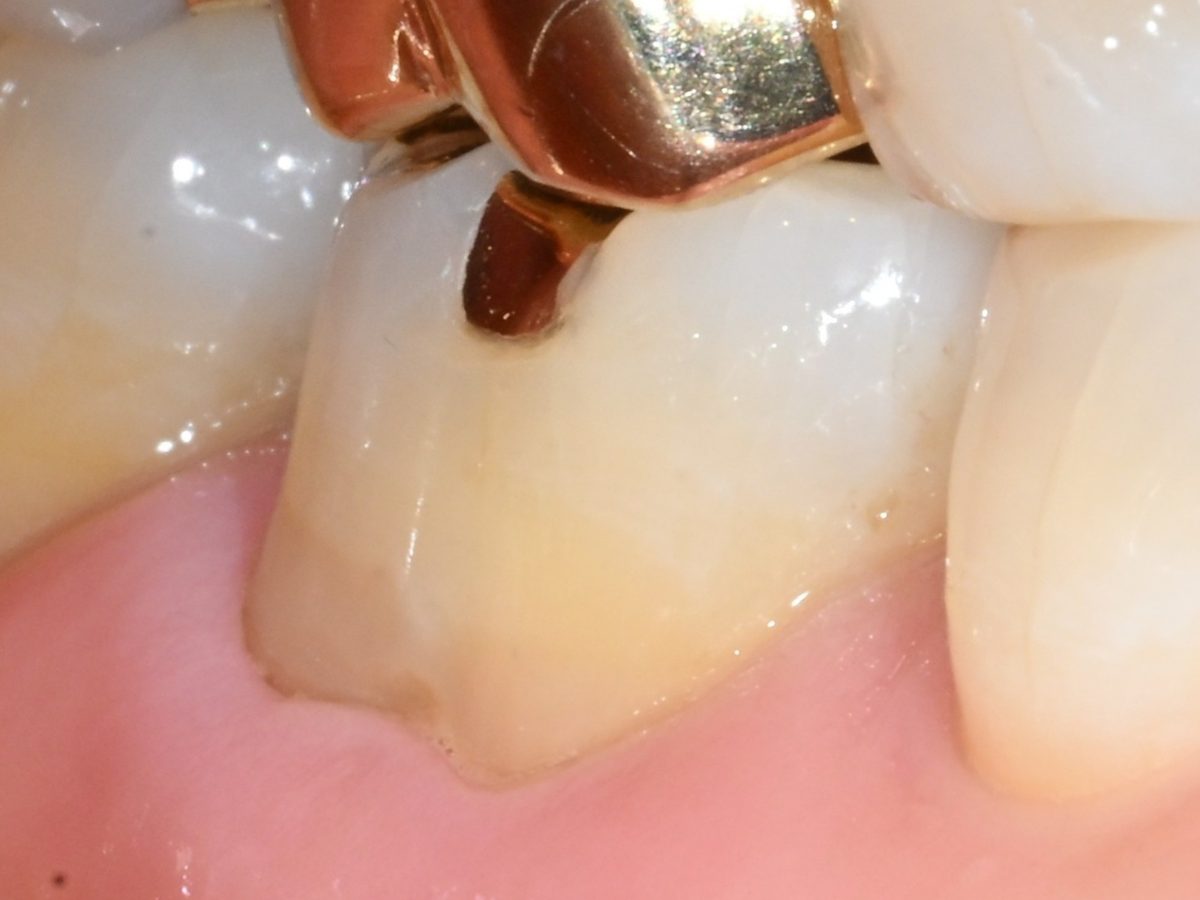
Secondary decay under a crown is typically caused by an imprecise crown margin. When the margin is not cleanly defined to a consistent 0.5mm boundary, microscopic gaps form between the crown and tooth, allowing bacteria to infiltrate. Precise tooth preparation — where the margin line is clearly visible all around — is the critical safeguard against secondary decay and the reason crown preparation demands exceptional skill.
The tooth a patient believes is painful is not always the actual source. Like a detective eliminating suspects, the dentist runs cold tests, percussion tests, and bite pressure tests to systematically rule out possible diagnoses. Cracked Tooth Syndrome is particularly deceptive — it is often invisible on both visual examination and X-rays, making multi-step diagnostic logic essential before any irreversible treatment is started.
Vital Pulp Therapy (VPT) preserves the living tooth nerve when infection is limited and the pulp remains viable — avoiding the need for a full root canal. From a biomimetic dentistry standpoint, retaining the natural nerve and dentin structure is strongly preferable for long-term tooth survival. Eligibility depends on the extent of infection and pulp status, which is assessed by the specialist at diagnosis.
Full lower dentures on a severely resorbed jawbone are among the most technically demanding prosthetic challenges in dentistry. Achieving proper fit requires multi-stage precision impressions (selective pressure impressions), careful bite registration, and biomechanical design — such as the RPI stress distribution system — to prevent denture clasps from damaging the remaining teeth. A board-certified Prosthodontist is the right specialist for persistent denture fit problems.
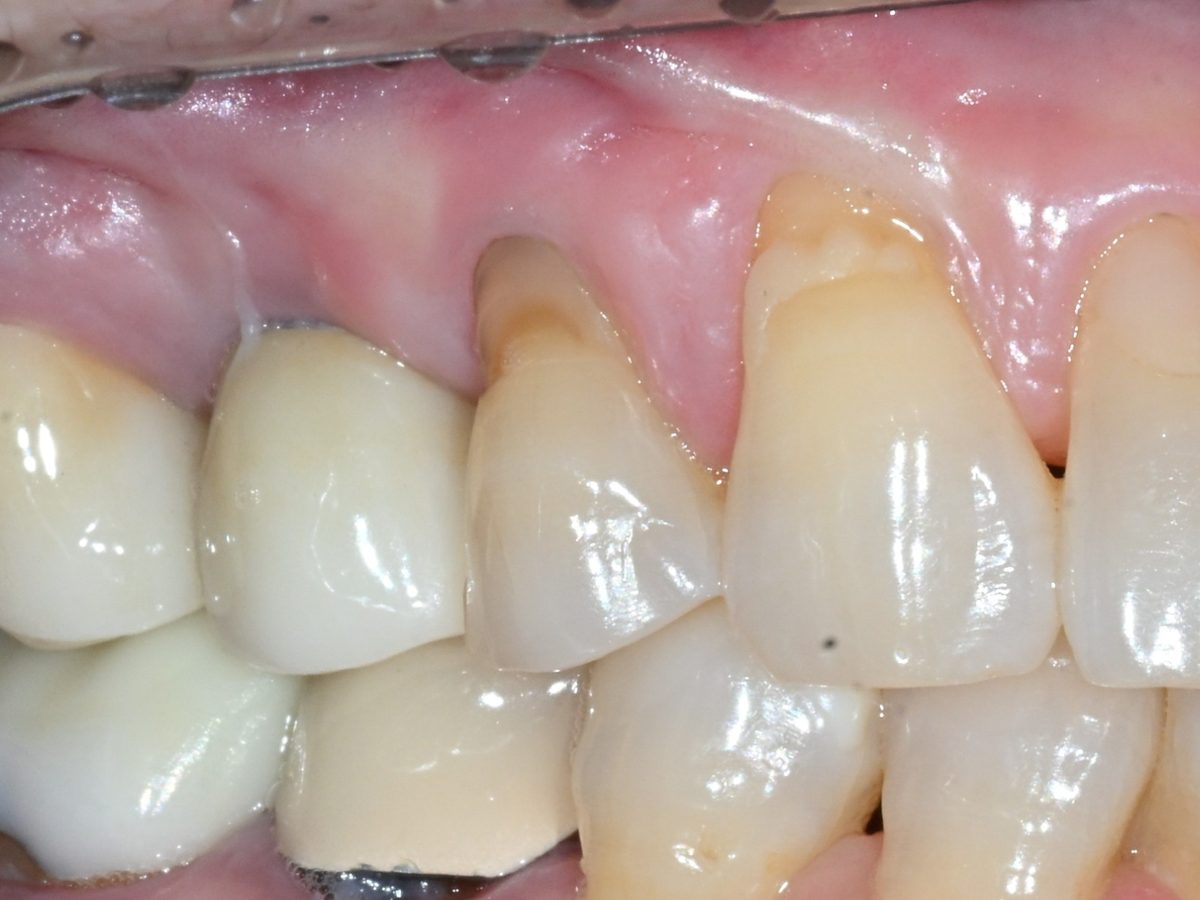
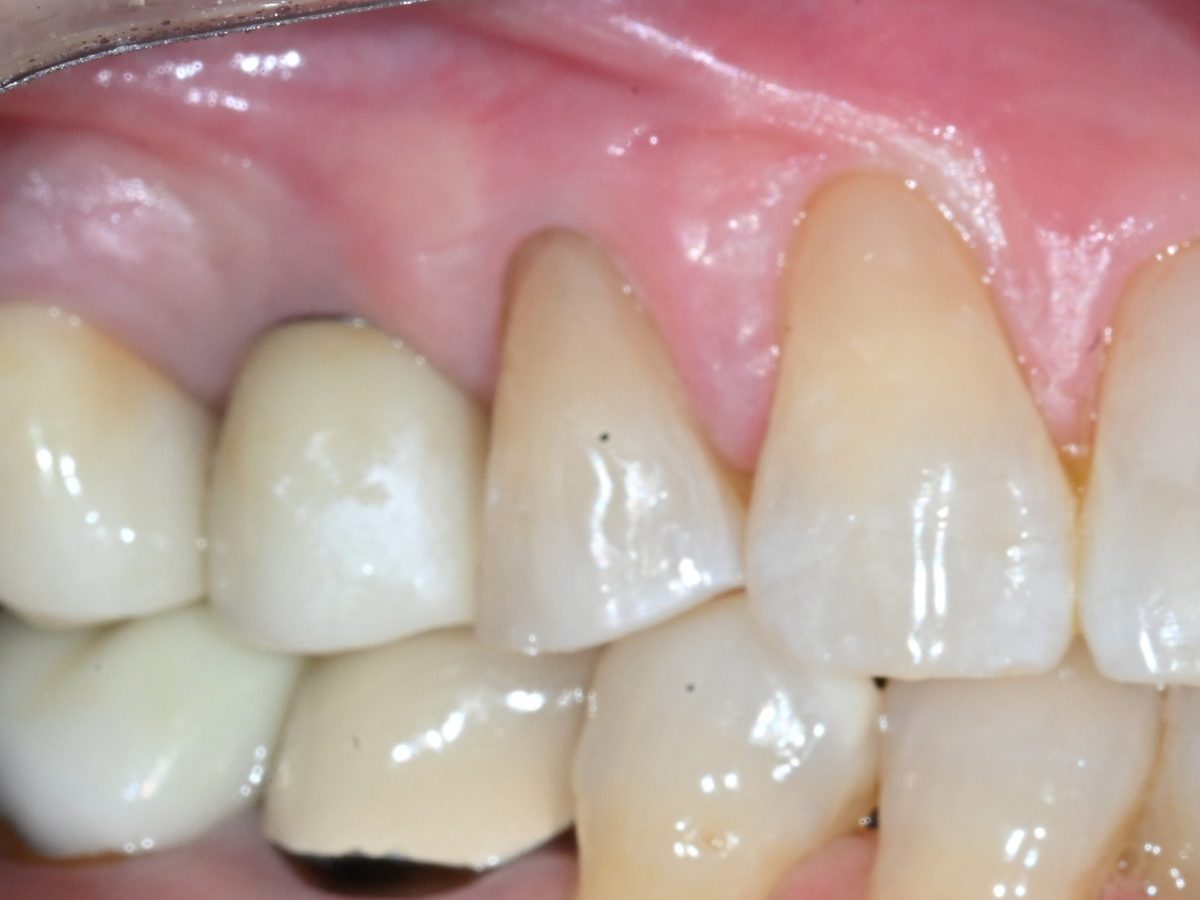
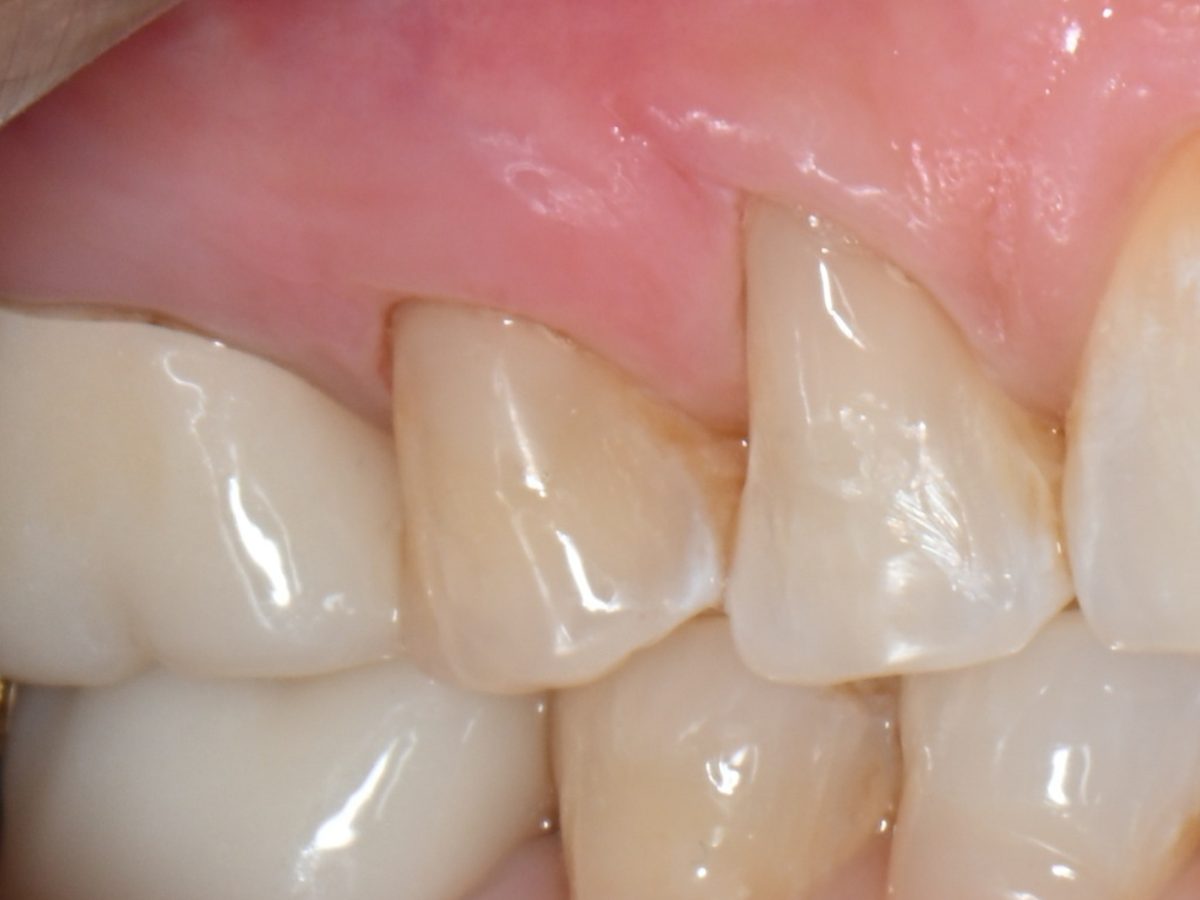
Gumline erosion is not always caused by over-brushing. The primary cause is the cumulative stress from chewing — every bite causes the tooth to flex slightly, and repeated microflexion at the neck of the tooth causes the enamel to chip away. This is called a Non-Carious Cervical Lesion (NCCL). When sensitivity develops, the lesion can be restored with composite resin contoured precisely to the original tooth shape.
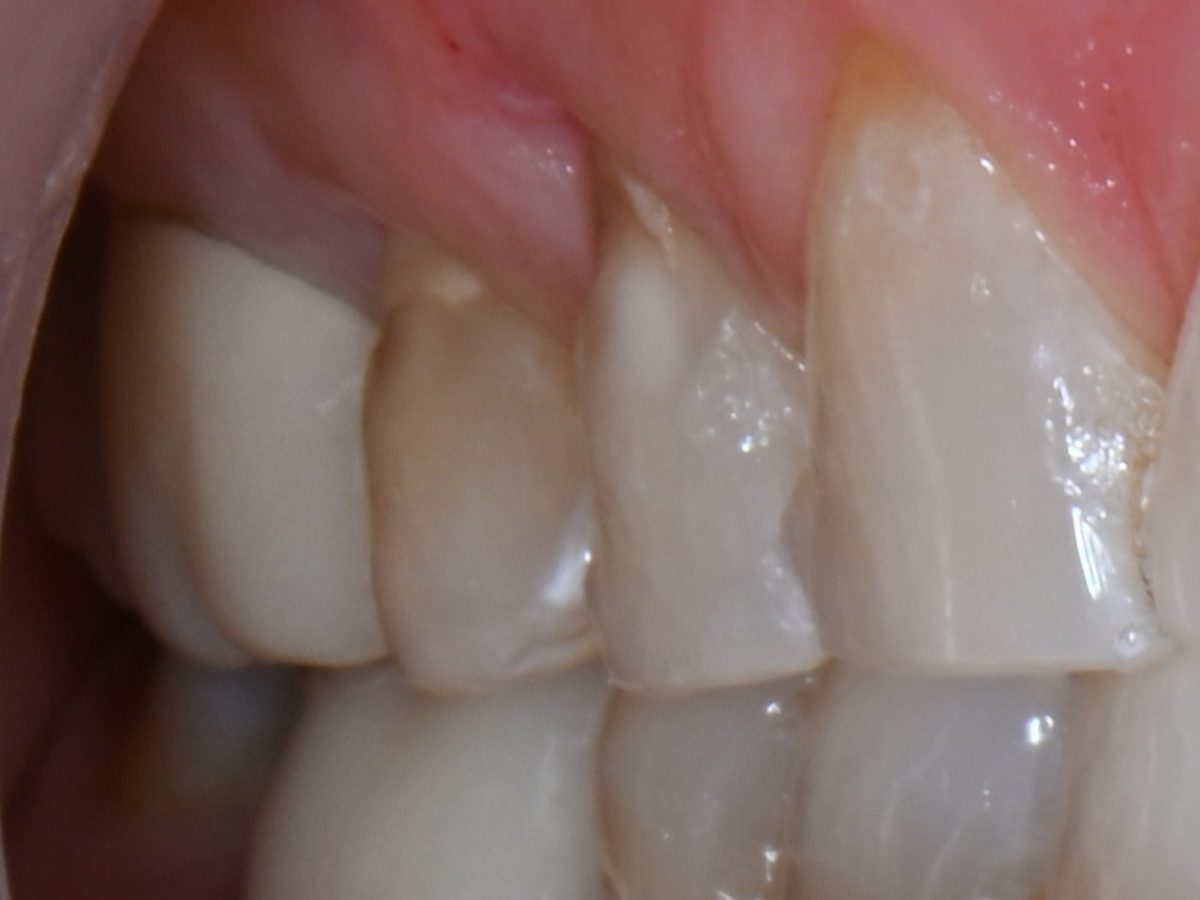
Black triangles between front teeth can be filled using composite resin sculpted to match the natural tooth curve. The process requires bevel preparation to widen the adhesive surface, careful layering and shaping of the resin, and a thorough polishing to achieve a smooth, natural-looking result. Though often dismissed as a simple resin procedure, the outcome depends greatly on the clinician's artistic precision and technique.
Most clinics send veneers to an outside lab, which takes 1–2 weeks. Our ceramist works inside the clinic, so your e.max veneers are made, stained and glazed overnight, checked with Dr. Ahn, and bonded the next day — 2 days in total. See Atelier Veneers →